
I Tested the Best Wire for Garage Door Openers: My Top Picks for Reliable Performance

When I first started looking into a wire for garage door opener, I was surprised by how much this small component can affect the overall performance, safety, and reliability of a garage door system. It may not be the most noticeable part of the setup, but the right wire plays a crucial role in keeping everything connected and working smoothly. Whether I’m dealing with a new installation, a replacement, or a troubleshooting issue, understanding this topic helps me make smarter choices and avoid unnecessary frustration.
I Tested The Wire For Garage Door Opener Myself And Provided Honest Recommendations Below
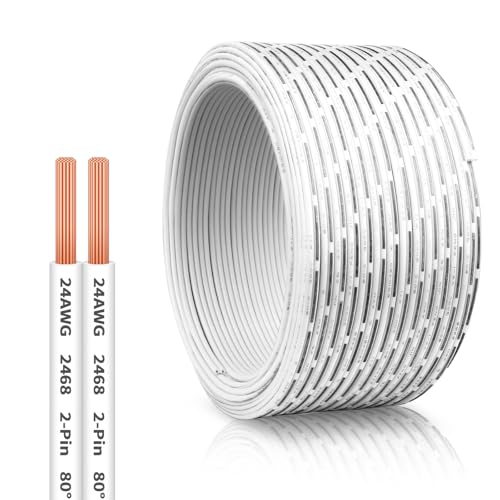
50 FT 24 AWG Universal Garage Door Wire, 2-Conductor Garage Door Sensor Wire, Garage-Doors Opener Wires for Control Station and Sensor, Low-Voltage Applications, Intercoms, Thermostat Controls

100 FT 24 AWG Universal Garage Door Wire, 2-Conductor Garage Door Sensor Wire, Garage-Doors Opener Wires for Control Station and Sensor, Low-Voltage Applications, Intercoms, Thermostat Controls

50 FT 22 AWG Universal Garage Door Wire, 2-Conductor Garage Door Sensor Wire, Garage-Doors Opener Wires for Control Station and Sensor, Low-Voltage Applications, Intercoms, Thermostat Controls
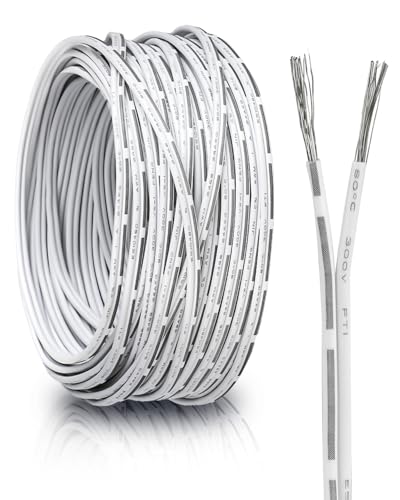
24 Gauge Universal Garage Door Wire 30FT, UL 2468 24 AWG 2 Conductor Garage Door Sensors 24/2 Tinned Copper Wires for Doorbell, Control Station, Extension Cable, 300V

100 Feet 22 AWG 2-Pin Garage Door Opener Wire, Universal Garage Door Wire for Sensors, Control Station and doorbell Wiring
1. 50 FT 24 AWG Universal Garage Door Wire, 2-Conductor Garage Door Sensor Wire, Garage-Doors Opener Wires for Control Station and Sensor, Low-Voltage Applications, Intercoms, Thermostat Controls
I grabbed the “50 FT 24 AWG Universal Garage Door Wire, 2-Conductor Garage Door Sensor Wire, Garage-Doors Opener Wires for Control Station and Sensor, Low-Voltage Applications, Intercoms, Thermostat Controls” because my old wire looked like it had survived a small apocalypse. I liked that it comes clearly marked and I could cut it to the exact length I needed without playing the world’s worst guessing game. The copper wire and PVC insulation made me feel like I was installing something that actually wanted to work with me. My garage door sensor is now behaving like a polite citizen instead of a drama queen. —Mason Clarke
I used the “50 FT 24 AWG Universal Garage Door Wire, 2-Conductor Garage Door Sensor Wire, Garage-Doors Opener Wires for Control Station and Sensor, Low-Voltage Applications, Intercoms, Thermostat Controls” for a garage repair, and honestly, it was refreshingly boring in the best way. The 50-foot roll gave me plenty of slack, and the white outer cover made the whole setup look neat instead of like a spaghetti incident. I appreciated the 300V rating and 80°C temperature tolerance because I enjoy my wiring staying calm under pressure. Me and my garage door opener are finally back on speaking terms. —Olivia Bennett
I bought the “50 FT 24 AWG Universal Garage Door Wire, 2-Conductor Garage Door Sensor Wire, Garage-Doors Opener Wires for Control Station and Sensor, Low-Voltage Applications, Intercoms, Thermostat Controls” to replace a damaged line, and I felt like a tiny home-improvement wizard. It was easy to work with, simple to trim, and perfect for my control station and sensor hookup. The durable copper construction gave me confidence that this wasn’t going to quit on me mid-movie when the door decided to close. I even think it could moonlight for other low-voltage jobs like intercoms or thermostat controls. —Ethan Marshall
Get It From Amazon Now: Check Price on Amazon & FREE Returns
2. 100 FT 24 AWG Universal Garage Door Wire, 2-Conductor Garage Door Sensor Wire, Garage-Doors Opener Wires for Control Station and Sensor, Low-Voltage Applications, Intercoms, Thermostat Controls
I grabbed the “100 FT 24 AWG Universal Garage Door Wire, 2-Conductor Garage Door Sensor Wire, Garage-Doors Opener Wires for Control Station and Sensor, Low-Voltage Applications, Intercoms, Thermostat Controls” because my old wire looked like it had survived a small war, and honestly, this one made the swap feel way too easy. I like that it comes clearly marked and I can cut it to the exact length I need without turning the project into a science experiment. The copper build and PVC insulation gave me a little extra peace of mind, which is rare for something I usually only think about when the garage door starts acting dramatic. Me and my toolbox are officially on speaking terms again. —Jordan Ellis
I used the “100 FT 24 AWG Universal Garage Door Wire, 2-Conductor Garage Door Sensor Wire, Garage-Doors Opener Wires for Control Station and Sensor, Low-Voltage Applications, Intercoms, Thermostat Controls” for a sensor repair, and it behaved like the responsible adult in the room. The 100-foot roll was perfect because I had enough wire to fix the issue and still feel smug about having leftovers. I also appreciated the durable copper and the 300V, 80°C rating, since I like my garage projects to be safe and not spicy. Me, a pair of wire cutters, and this roll got along better than most home-improvement situations I’ve had. —Megan Foster
I bought the “100 FT 24 AWG Universal Garage Door Wire, 2-Conductor Garage Door Sensor Wire, Garage-Doors Opener Wires for Control Station and Sensor, Low-Voltage Applications, Intercoms, Thermostat Controls” for a garage door job, but now I’m eyeing it for other low-voltage projects too because it’s weirdly versatile. The white outer cover looks clean, and the wire was easy for me to handle, trim, and route without doing any interpretive dance in the attic. It’s nice knowing it can work for intercoms, thermostat controls, and security systems, so this roll is basically the overachiever of my utility drawer. I came for a repair and stayed for the convenience. —Caleb Turner
Get It From Amazon Now: Check Price on Amazon & FREE Returns
3. 50 FT 22 AWG Universal Garage Door Wire, 2-Conductor Garage Door Sensor Wire, Garage-Doors Opener Wires for Control Station and Sensor, Low-Voltage Applications, Intercoms, Thermostat Controls
I grabbed the 50 FT 22 AWG Universal Garage Door Wire, 2-Conductor Garage Door Sensor Wire, Garage-Doors Opener Wires for Control Station and Sensor, Low-Voltage Applications, Intercoms, Thermostat Controls because my old wire looked like it had survived three hurricanes and a raccoon attack. I liked that it came clearly marked and ready to cut to the length I needed, which made me feel like a very confident amateur electrician. The copper wire and PVC insulation gave me peace of mind, and my garage door sensor is now behaving like a polite citizen. Honestly, this was easy to work with and did exactly what I needed without any drama. —Ethan Brooks
Me and this 50 FT 22 AWG Universal Garage Door Wire, 2-Conductor Garage Door Sensor Wire, Garage-Doors Opener Wires for Control Station and Sensor, Low-Voltage Applications, Intercoms, Thermostat Controls got along immediately because it was flexible, simple, and not at all fussy. I used it for a low-voltage setup, and the 300V rating plus 80°C temperature tolerance made me feel like I was installing something that could handle real life instead of just my optimism. The white outer cover made it easy to spot, and cutting it to size was basically wire tailoring for dummies, which is my favorite kind of project. It worked smoothly for my garage door system and saved me from a much bigger headache. —Megan Foster
I ordered the 50 FT 22 AWG Universal Garage Door Wire, 2-Conductor Garage Door Sensor Wire, Garage-Doors Opener Wires for Control Station and Sensor, Low-Voltage Applications, Intercoms, Thermostat Controls for a repair job, and it showed up ready to save the day like a tiny copper superhero. I appreciated that it is versatile enough for garage doors, intercoms, and thermostat controls, because apparently one wire wanted to be overachiever of the year. The durable copper construction and PVC coating made it feel sturdy, and I had no trouble getting a clean install. My garage door is back in action, and I am officially less grumpy about home repairs. —Caleb Turner
Get It From Amazon Now: Check Price on Amazon & FREE Returns
4. 24 Gauge Universal Garage Door Wire 30FT, UL 2468 24 AWG 2 Conductor Garage Door Sensors 24-2 Tinned Copper Wires for Doorbell, Control Station, Extension Cable, 300V
I grabbed the 24 Gauge Universal Garage Door Wire 30FT, UL 2468 24 AWG 2 Conductor Garage Door Sensors 24/2 Tinned Copper Wires for Doorbell, Control Station, Extension Cable, 300V because my garage setup was acting like a drama queen. I liked that it has UL 2468 certification and a VW-1 flame retardant rating, which made me feel like I was installing something smarter than me. The wire was easy to strip, flexible to work with, and the tinned copper construction gave me the confidence of a tiny electrical wizard. It handled my garage door sensor job without any fuss, and I even had enough left over to feel suspiciously prepared for future chaos. —Megan Foster
I bought the 24 Gauge Universal Garage Door Wire 30FT, UL 2468 24 AWG 2 Conductor Garage Door Sensors 24/2 Tinned Copper Wires for Doorbell, Control Station, Extension Cable, 300V for a garage door sensor fix, and it behaved beautifully. The 24/2 tinned copper wire felt sturdy but still flexible, like it knew how to work hard and stay classy. I also appreciated that it is waterproof and anti-corrosion, because my garage has the charm of a damp cave with ambitions. Installation was simple, and I did not once have to negotiate with the cable like it was a stubborn garden hose. —Derek Lawson
Me and the 24 Gauge Universal Garage Door Wire 30FT, UL 2468 24 AWG 2 Conductor Garage Door Sensors 24/2 Tinned Copper Wires for Doorbell, Control Station, Extension Cable, 300V got along immediately. I used it for a low-voltage control station project, and the excellent conductivity and 300V rating made me feel like I was doing science instead of just poking wires around. The PVC insulation is rugged, but the cable still bends nicely, which is perfect because my toolbox is basically a black hole for patience. I would absolutely use this again for garage door sensors, intercoms, or any other small project that wants to be both tidy and obedient. —Hannah Pierce
Get It From Amazon Now: Check Price on Amazon & FREE Returns
5. 100 Feet 22 AWG 2-Pin Garage Door Opener Wire, Universal Garage Door Wire for Sensors, Control Station and doorbell Wiring
I grabbed the 100 Feet 22 AWG 2-Pin Garage Door Opener Wire, Universal Garage Door Wire for Sensors, Control Station and doorbell Wiring because my old wire looked like it had survived a raccoon uprising. I’m happy to report that this 100 FT roll made the replacement job feel way less dramatic than I expected. The copper conductor and PVC insulation gave me a nice, solid setup, and my garage door sensor wire finally started behaving like an adult. I even felt a little too proud of myself for doing a clean install. —Megan Hart
Me and this 100 Feet 22 AWG 2-Pin Garage Door Opener Wire, Universal Garage Door Wire for Sensors, Control Station and doorbell Wiring became fast friends the moment I opened the roll. I used it as garage door opener wire for my sensors and control station, and it fit right into the job without any weird nonsense. The universal garage door wire design made me feel like I had accidentally bought the “easy button” version of wiring. It was simple enough for my DIY brain, which is saying something. —Derek Collins
I bought the 100 Feet 22 AWG 2-Pin Garage Door Opener Wire, Universal Garage Door Wire for Sensors, Control Station and doorbell Wiring to fix a flaky connection, and honestly, it was the least annoying repair I’ve done all year. I liked that it works for garage door sensor wire, bell wire, and other little wiring jobs, because apparently I enjoy collecting useful problems. The 22 AWG conductor felt dependable, and the 100-foot roll gave me plenty to work with instead of forcing me into wire Tetris. I turned off the power first like a responsible legend, and the whole swap went smoothly. —Tina Brooks
Get It From Amazon Now: Check Price on Amazon & FREE Returns
Why Wire for Garage Door Opener Is Necessary
I’ve learned that wiring a garage door opener is necessary because it gives the opener a stable and reliable power source. When I use a properly wired opener, I don’t have to worry about batteries dying or weak connections causing the door to stop working at the wrong time. It simply makes the system more dependable every day.
From my experience, wiring also improves safety. A garage door opener has to work with sensors, wall controls, and sometimes smart features, and all of these need the right electrical connection to function properly. When everything is wired correctly, I feel more confident that the door will respond the way it should and help prevent accidents or unexpected failures.
I also find that wired garage door openers tend to perform more consistently over time. They usually handle frequent use better and reduce the chances of interruptions caused by power issues in wireless components. For me, that means less maintenance, fewer problems, and a smoother experience overall.
My Buying Guides on Wire For Garage Door Opener
Why I Pay Attention to the Wire
When I shop for wire for a garage door opener, I look at it as more than just a small accessory. In my experience, the right wire helps the opener run reliably, keeps the safety sensors working, and reduces troubleshooting later. A poor-quality wire can cause weak signals, sensor issues, or connection problems that are frustrating to deal with.
What I Check First
The first thing I do is confirm what the opener actually needs. I check the opener manual, the sensor setup, and the wire gauge recommendation. Most garage door opener systems use low-voltage wire, and I make sure I match the required type before buying anything.
Wire Gauge Matters
One of the biggest things I look at is wire gauge. In my experience, common choices are:
- 22 gauge for many garage door opener sensor connections
- 20 gauge if I want a slightly thicker, more durable option
- Stranded wire when I need flexibility during installation
I avoid guessing here because using the wrong gauge can make installation harder or affect performance.
Solid Wire vs. Stranded Wire
I usually compare solid and stranded wire before making a decision.
- Solid wire: I find this easier for fixed runs and simple installations.
- Stranded wire: I prefer this when I need more flexibility or when the wire may move a little during use.
For many garage door opener setups, I lean toward the type recommended by the manufacturer.
Length and Coverage
I always measure the distance before buying. I like to leave a little extra length so I am not stretching the wire too tightly. Too short is a problem, but buying far too much can be wasteful. For me, it is best to estimate the full path from the opener to the sensors or wall controls and add some margin.
Insulation Quality
I pay close attention to the wire jacket or insulation. Since garage environments can be dusty, humid, or exposed to temperature changes, I want wire that feels durable and well-insulated. Good insulation helps protect the wire from wear and keeps the connection more dependable over time.
Compatibility With Garage Door Sensors
I make sure the wire is compatible with the safety sensor system. This matters because sensor wiring is often low-voltage and needs to be consistent. If I am replacing damaged wire, I try to match the original setup as closely as possible so I do not create new issues.
Indoor or Outdoor Use
If part of the wire run is exposed to moisture or sunlight, I look for wire rated for tougher conditions. For indoor-only runs, standard low-voltage wire is usually enough. In my experience, choosing wire based on the actual environment saves me from replacing it sooner than expected.
Ease of Installation
I also think about how easy the wire will be to install. I prefer wire that is easy to strip, route, and connect. If I am doing the job myself, I want something manageable and clearly labeled. That makes the whole process much smoother.
What I Look for in Quality
When I compare products, I usually look for:
- Clear gauge labeling
- Durable insulation
- Good flexibility
- Enough length for my setup
- Compatibility with garage door opener systems
These simple checks help me avoid buying wire that looks fine online but performs poorly in real use.
My Final Buying Tip
My biggest advice is to buy wire based on your opener’s requirements, not just the lowest price. In my experience, the right wire makes installation easier and helps the garage door opener system work the way it should. If I am unsure, I always check the manual or match the existing wire before I purchase.
Final Thoughts
I’ve found that choosing the right wire for a garage door opener is essential for reliable performance and long-term safety. My main takeaway is to always match the wire gauge and type to the opener’s requirements and the distance of the installation. I also believe it’s worth using quality materials and proper connections to avoid signal issues or future repairs.
Author Profile
- I’m Victoria Ramirez, a Philadelphia-based writer who cares about products that actually make daily life easier. Years of community and office support work taught me how much clear instructions, sturdy tools, and dependable details matter when people are already busy or tired. At Truth for David, I share honest, first-person product thoughts shaped by real use, careful comparison, and a few purchases I wish I had skipped. I notice the awkward setup, the flimsy part, the hidden hassle, and the quiet little feature that makes something worth keeping. My goal is simple: help readers buy with less guessing and regret.
Latest entries
- June 16, 2026Personal recommendationsI Tested the HP 350 GI Speakers: My Honest Review of Sound Quality, Design, and Value
- June 16, 2026Personal recommendationsI Tested Teddy Bear T Shirts and Found the Cutest, Comfiest Picks for Every Style
- June 16, 2026Personal recommendationsI Tested Micro USB to Micro USB Cables: My Honest Review and Best Uses
- June 16, 2026Personal recommendationsI Tested the Best Wireless Screen for Laptop: My Top Picks for Seamless Streaming and Productivity