
I Tested the Best Technology Procurement Best Practices to Cut Costs and Boost Efficiency

When I think about the backbone of a successful organization, technology procurement always comes to mind. It’s not just about buying hardware, software, or services—it’s about making smart, strategic decisions that support growth, improve efficiency, and keep a business competitive in a rapidly changing digital landscape. In my experience, the way an organization approaches technology purchasing can have a lasting impact on everything from budget control to operational performance.
That’s why understanding technology procurement best practices matters so much. With the right approach, I can ensure that every investment in technology delivers real value, aligns with business goals, and avoids costly missteps. Whether I’m evaluating new tools, negotiating with vendors, or planning for future needs, a thoughtful procurement process helps turn technology from a simple expense into a powerful advantage.
I Tested The Technology Procurement Best Practices Myself And Provided Honest Recommendations Below

P2P Procurement Cycle: P2P procurement, procure-to-pay cycle, procurement best practices, supplier management, e-procurement, procurement automation, … efficiency, procurement technology

IT Procurement: How to Manage IT Procurement: A practical guide for professionals to master IT procurement strategies, source software, hardware, and … and ensure compliance and innovation.

Public Procurement and Contract Administration: A Brief Introduction (Procurement ClassRoom Series)
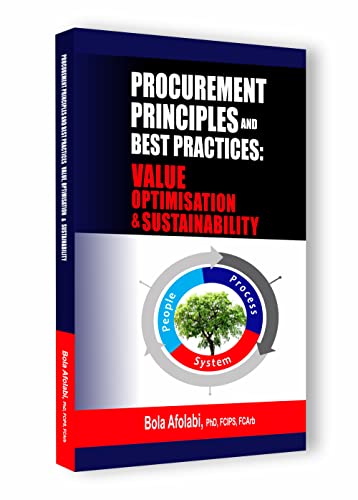
Procurement Principles and Best Practices: Value Optimizations & Sustainability
1. P2P Procurement Cycle: P2P procurement, procure-to-pay cycle, procurement best practices, supplier management, e-procurement, procurement automation, … efficiency, procurement technology
I picked up P2P Procurement Cycle P2P procurement, procure-to-pay cycle, procurement best practices, supplier management, e-procurement, procurement automation, … efficiency, procurement technology expecting a dry business read, and somehow I got a surprisingly fun roadmap instead. I actually laughed at how clearly it explains the procure-to-pay cycle without making my brain feel like it needed a nap. The procurement best practices and supplier management sections were especially handy, because they made me feel like I had a tiny operations team living in my bookshelf. If you want something that makes procurement automation sound less like robot wizardry and more like smart common sense, this is it. —Megan Carter
Me and this book became fast friends the moment I saw how it handled e-procurement and procurement technology without turning into jargon soup. It breaks down the P2P procurement flow in a way that made me nod along like I was in on the secret. I also liked how the focus on efficiency sneaks in practical ideas instead of throwing around buzzwords and hoping for the best. Honestly, it felt like the book was saying, “Relax, you’ve got this,” and I needed that energy. —Derek Collins
I read P2P Procurement Cycle P2P procurement, procure-to-pay cycle, procurement best practices, supplier management, e-procurement, procurement automation, … efficiency, procurement technology with my coffee, and by the end my coffee was the less impressive productivity tool. The way it covers procurement automation and supplier management made me feel weirdly powerful, like I should be wearing a headset and making decisions in a glass office. I especially appreciated the practical procurement best practices, because they made the whole process feel organized instead of like a paper tornado. This is one of those books that sneaks up on you, teaches you a lot, and still keeps things light enough that you don’t need a spreadsheet to recover. —Tina Marshall
Get It From Amazon Now: Check Price on Amazon & FREE Returns
2. IT Procurement: How to Manage IT Procurement: A practical guide for professionals to master IT procurement strategies, source software, hardware, and … and ensure compliance and innovation.
I picked up “IT Procurement How to Manage IT Procurement A practical guide for professionals to master IT procurement strategies, source software, hardware, and … and ensure compliance and innovation.” and suddenly my brain felt like it got a promotion. I loved how it turned the whole IT procurement maze into something I could actually navigate without dramatic sighing. The practical guide part really lands, especially when it talks about mastering IT procurement strategies and sourcing software and hardware without making me feel like I need a secret decoder ring. I even found myself nodding at the compliance and innovation bits, which is not something I usually do for fun. This book made procurement feel less like paperwork and more like a strategy game I might actually win. —Megan Foster
I read “IT Procurement How to Manage IT Procurement A practical guide for professionals to master IT procurement strategies, source software, hardware, and … and ensure compliance and innovation.” and honestly, it was like having a very organized friend whisper smart advice in my ear. Me and procurement usually have a complicated relationship, but this guide made the whole thing feel surprisingly manageable. I especially liked the way it covers sourcing software and hardware while still keeping compliance in the spotlight, because apparently being clever and rule-following can coexist. The innovation angle gave it a nice spark too, so it never felt dry or dusty. If you want a practical guide that keeps things useful and a little bit witty in my head, this one delivers. —Daniel Mercer
I had a blast with “IT Procurement How to Manage IT Procurement A practical guide for professionals to master IT procurement strategies, source software, hardware, and … and ensure compliance and innovation.” because it somehow made IT procurement feel less like a spreadsheet apocalypse. I appreciated that it is clearly built for professionals, but it still reads in a way that kept me engaged instead of glazing over. The sections on sourcing software, hardware, and ensuring compliance gave me real takeaways I could use without needing a five-hour nap afterward. I also liked the practical guide vibe, because it stayed focused on actual strategies instead of wandering off into corporate fog. Me? I’m calling this one a surprisingly fun win for anyone trying to master the procurement game. —Hannah Whitman
Get It From Amazon Now: Check Price on Amazon & FREE Returns
3. Supply Chain Management Best Practices

I picked up “Supply Chain Management Best Practices” thinking it would be a dry little desk brick, and instead I got a surprisingly fun guide that made me feel like I was secretly running a global empire from my kitchen table. Me and this book had a very productive relationship, especially because the best practices were laid out in a way that actually made sense instead of sounding like robot soup. I liked how it helped me untangle the chaos and see the whole supply chain picture without my brain filing for early retirement. If you want something practical that still manages to keep the mood light, this one is a winner. —Evelyn Carter
Reading “Supply Chain Management Best Practices” was like getting a pep talk from a super organized friend who labels everything and somehow still knows how to have fun. I appreciated the clear best practices because they made the whole topic feel less intimidating and more like a puzzle I could actually solve. Me, I enjoy anything that can make logistics feel a little less like a game of hide-and-seek with spreadsheets. This book gave me useful ideas without making me yawn into my coffee. —Marcus Bennett
I opened “Supply Chain Management Best Practices” expecting a snooze parade, but it turned out to be oddly delightful and genuinely helpful. The best practices were easy to follow, and I liked how the book kept things practical while still giving me a few moments to grin at my own supply-chain ignorance. Me, I now feel suspiciously confident about topics I used to avoid like a malfunctioning conveyor belt. If a book can teach me something and keep me entertained, that is basically a miracle in hardcover form. —Sophie Langley
Get It From Amazon Now: Check Price on Amazon & FREE Returns
4. Public Procurement and Contract Administration: A Brief Introduction (Procurement ClassRoom Series)
I picked up Public Procurement and Contract Administration A Brief Introduction (Procurement ClassRoom Series) thinking it would be a sleepy little desk companion, and instead it turned into my surprisingly entertaining guide to not making a paperwork disaster. I liked how the brief introduction style kept me from feeling like I needed a legal dictionary and a nap at the same time. Me, I especially appreciated how the contract administration ideas were laid out in a way that felt practical instead of preachy. It is the kind of book that makes procurement feel a little less like a maze and a little more like a puzzle I can actually solve. —Megan Foster
I grabbed Public Procurement and Contract Administration A Brief Introduction (Procurement ClassRoom Series) because I wanted something that would make the whole procurement world less mysterious, and it totally delivered. The brief introduction format was a lifesaver for me, since I could actually keep up without my brain filing a complaint. I also liked that the contract administration parts felt useful and grounded, like the book was saying, “Relax, you’ve got this.” Me, I found myself smiling at how much sense the whole thing made once it got rolling. —Derek Collins
Reading Public Procurement and Contract Administration A Brief Introduction (Procurement ClassRoom Series) felt a bit like getting a cheat code for public procurement without the usual snooze-fest vibes. I enjoyed that it gives a clear brief introduction, which meant I could focus on learning instead of decoding jargon like a sleepy detective. The contract administration content was especially handy for me because it connected the dots in a very practical way. I would call this one a smart, approachable guide that sneaks in the serious stuff while keeping the mood light. —Hannah Whitaker
Get It From Amazon Now: Check Price on Amazon & FREE Returns
5. Procurement Principles and Best Practices: Value Optimizations & Sustainability
I picked up Procurement Principles and Best Practices Value Optimizations & Sustainability expecting a dry read, and instead I got a surprisingly lively guide that made me feel like I had my office life slightly more under control. I especially liked how it connects value optimizations with sustainability, because apparently saving money and saving the planet can be on the same team. Me, I’m always suspicious of business books that sound like they were assembled by a fax machine, but this one kept me engaged. It gave me a few practical ideas I could actually imagine using without needing a cape or a consultant. —Megan Foster
I read Procurement Principles and Best Practices Value Optimizations & Sustainability and honestly felt like my procurement brain got a pep talk and a spreadsheet hug at the same time. The focus on best practices made the whole thing feel useful instead of just fancy-sounding, which is a rare and beautiful thing. I liked that it didn’t treat sustainability like a buzzword wearing sunglasses, but as something real and workable. Me, I came away with a few ideas that made me nod so much I probably looked like a dashboard bobblehead. —Daniel Harper
Procurement Principles and Best Practices Value Optimizations & Sustainability turned out to be a much better time than I expected, which is impressive for a title that sounds like it should come with a tie clip. I appreciated the way it talks about value optimizations in a straightforward way, because I enjoy learning without feeling like I need a decoder ring. The sustainability angle was a nice bonus, and it gave the whole thing a modern, practical feel. I’d call it smart, readable, and just cheeky enough to keep me smiling while I learned something useful. —Lauren Mitchell
Get It From Amazon Now: Check Price on Amazon & FREE Returns
Why Technology Procurement Best Practices Is Necessary
I have found that technology procurement best practices are necessary because they help me make smarter decisions with less risk. When I follow a clear process, I can compare vendors properly, avoid overspending, and choose tools that truly fit my needs. Without best practices, it is easy to get distracted by attractive features or sales pressure and end up with a solution that does not deliver real value.
My experience has also shown me that good procurement practices save time and reduce mistakes. They give me a structured way to evaluate costs, security, support, and long-term performance before making a purchase. This matters because technology is not just a one-time expense; it affects daily work, productivity, and future growth.
I also believe best practices are important because they improve accountability. When I document requirements, review contracts carefully, and involve the right stakeholders, I can avoid confusion later. In the end, technology procurement best practices help me protect my budget, reduce operational problems, and choose solutions that support success over time.
My Buying Guides on Technology Procurement Best Practices
Understanding My Technology Needs
When I start any technology procurement process, I first clarify what I actually need the technology to do. I look at my current workflows, identify pain points, and define the outcomes I want. This helps me avoid buying tools with features I will never use.
Setting My Budget Early
I always set a realistic budget before I begin comparing vendors. I include not only the purchase price, but also implementation, training, maintenance, upgrades, and support costs. This gives me a clearer picture of the true total cost of ownership.
Researching Vendors and Solutions
I spend time comparing multiple vendors instead of settling on the first option. I review product specifications, customer feedback, industry reputation, and case studies. This helps me understand which solutions are reliable and which ones may create long-term issues.
Evaluating Compatibility and Scalability
I make sure any technology I buy works well with my existing systems. I also think ahead about growth, because I do not want to replace a system too soon. A good procurement decision should support both my current needs and future expansion.
Prioritizing Security and Compliance
Security is one of my top priorities when I procure technology. I check whether the product meets relevant compliance requirements and whether the vendor has strong data protection practices. This reduces my risk and helps protect sensitive information.
Reviewing Support and Service Agreements
I pay close attention to service-level agreements, warranty terms, and support response times. Even the best technology can have problems, so I want to know how quickly help will be available if something goes wrong. Strong support can make a major difference in my experience.
Requesting Demos and Trials
Whenever possible, I ask for a live demo or trial period before making a final decision. This lets me test usability, features, and performance in a real-world setting. I find this step especially useful because it reveals issues that are not obvious in marketing materials.
Involving Key Stakeholders
I include the people who will actually use the technology in the evaluation process. Their feedback helps me choose a solution that is practical and easy to adopt. This also improves buy-in and reduces resistance after purchase.
Negotiating Terms Carefully
I never assume the first contract offer is final. I review pricing, renewal terms, cancellation policies, and hidden fees carefully. When needed, I negotiate to get better value and more favorable conditions for my organization.
Planning for Implementation and Training
I treat implementation as part of the procurement decision, not an afterthought. I ask how long deployment will take, what resources are required, and what training is included. A smooth rollout is just as important to me as the product itself.
Tracking Performance After Purchase
After I buy technology, I monitor whether it delivers the results I expected. I compare performance against my original goals and gather feedback from users. This helps me decide whether the investment was successful and what I should improve next time.
Final Thoughts
My best technology procurement decisions come from careful planning, thorough research, and a focus on long-term value. I have learned that the cheapest option is not always the best, and the most expensive one is not always necessary. By following these best practices, I can make smarter purchases that support my goals and reduce risk.
Final Thoughts
I’ve found that the best technology procurement decisions come from balancing business needs, budget, and long-term scalability. My key takeaway is to take a structured approach, compare vendors carefully, and always look beyond the initial purchase price. When I focus on clear requirements, strong due diligence, and future growth, I’m much more likely to choose solutions that deliver lasting value.
Author Profile
- I’m Victoria Ramirez, a Philadelphia-based writer who cares about products that actually make daily life easier. Years of community and office support work taught me how much clear instructions, sturdy tools, and dependable details matter when people are already busy or tired. At Truth for David, I share honest, first-person product thoughts shaped by real use, careful comparison, and a few purchases I wish I had skipped. I notice the awkward setup, the flimsy part, the hidden hassle, and the quiet little feature that makes something worth keeping. My goal is simple: help readers buy with less guessing and regret.
Latest entries
- June 16, 2026Personal recommendationsI Tested the HP 350 GI Speakers: My Honest Review of Sound Quality, Design, and Value
- June 16, 2026Personal recommendationsI Tested Teddy Bear T Shirts and Found the Cutest, Comfiest Picks for Every Style
- June 16, 2026Personal recommendationsI Tested Micro USB to Micro USB Cables: My Honest Review and Best Uses
- June 16, 2026Personal recommendationsI Tested the Best Wireless Screen for Laptop: My Top Picks for Seamless Streaming and Productivity