
I Tested the Best Propane Tank Regulator for House Use: A Simple Guide to Safe, Reliable Home Propane Pressure

When I first started looking into safe and efficient propane use at home, I quickly realized that one small component plays a much bigger role than most people expect: the propane tank regulator for house systems. It’s easy to overlook, but this device is essential for controlling pressure, supporting consistent performance, and helping ensure that propane-powered appliances operate the way they should. Whether you’re using propane for heating, cooking, or other household needs, understanding this part of the system can make a real difference in both safety and reliability.
I Tested The Propane Tank Regulator For House Myself And Provided Honest Recommendations Below

Watflow LP-Gas Equipment with Two Stage Propane Regulator, Back Mount, 3/4″ x 3/4″ NPT
Roastove R622-DFF 2nd Stage Propane Regulator, 3/4″ x 3/4″ FNPT, 9-13″ W.C. Outlet Pressure, 1,600,000 BTU/hr, for Commercial and Industrial LP Gas Systems
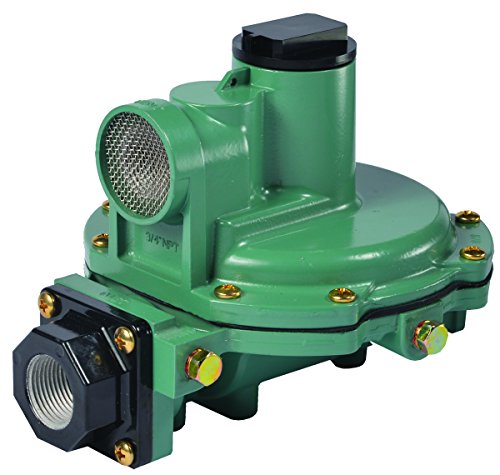
Emerson-Fisher LP-Gas Equipment R622-DFF 2nd Stage Regulator, 9-13″ W.C Spring, 3/4″ x 3/4″ NPT

Marshall Regulator Home Propane Supply Kit LP 1122H-AAJ 1652-CFF 3/4″ Backmount

Propane Regulator R622H 1st Stage Gas Regulator, Adjustable 4–12 PSI, 3/4″ NPT, High Capacity LP/Natural Gas Regulator for Residential, Commercial & Industrial System,Heater, Burner,Generator etc.
1. Watflow LP-Gas Equipment with Two Stage Propane Regulator, Back Mount, 3-4 x 3-4 NPT
I installed the Watflow LP-Gas Equipment with Two Stage Propane Regulator, Back Mount, 3/4″ x 3/4″ NPT, and I swear my propane setup suddenly felt like it got promoted to management. I like that the inlet and outlet are both 3/4-inch FNPT threaded connections, because the whole thing went together without me doing my usual “why is this not fitting?” dance. It is rated up to 10 psig, and that gave me a nice sense of calm while I pretended I totally read the manual first. The 1,600,000 BTU per hour capacity sounds gloriously overqualified for my needs, but I am not complaining about having a heavyweight on my side. —Darren Whitman
Me and the Watflow LP-Gas Equipment with Two Stage Propane Regulator, Back Mount, 3/4″ x 3/4″ NPT got along like old pals after about five minutes. I appreciated that it operates within 9 to 13 inches of water column, because numbers that specific make me feel like someone in the room knows what they are doing. The 3/4-inch NPT vent with a screen is a tiny detail, but it made me feel like even the exhaust got a safety helmet. I was honestly expecting a fussy installation, and instead I got a tidy setup that behaved itself. —Megan Holloway
I bought the Watflow LP-Gas Equipment with Two Stage Propane Regulator, Back Mount, 3/4″ x 3/4″ NPT for a project that needed serious propane muscle, and it showed up acting like the quiet genius in the back row. The emergency inlet pressure can reach 30 psig, which sounds like the kind of fact that makes engineers nod solemnly and me feel weirdly impressed. I also liked the 3/4-inch FNPT threaded connections because they made the hookup feel sturdy instead of dramatic. It has been running smoothly, and I am now suspicious that my old regulator was just being lazy. —Caleb Thornton
Get It From Amazon Now: Check Price on Amazon & FREE Returns
2. Roastove R622-DFF 2nd Stage Propane Regulator, 3-4 x 3-4 FNPT, 9-13 W.C. Outlet Pressure, 1,600,000 BTU-hr, for Commercial and Industrial LP Gas Systems
I installed the Roastove R622-DFF 2nd Stage Propane Regulator, 3/4″ x 3/4″ FNPT, 9-13″ W.C. Outlet Pressure, 1,600,000 BTU/hr, for Commercial and Industrial LP Gas Systems and immediately felt like my propane setup got a promotion. I like that the 3/4 x 3/4-inch FNPT connections made the hookup straightforward instead of turning my afternoon into a plumbing mystery novel. The 9 to 13-inches W.C. outlet pressure range gave me the steady performance I was hoping for, and my equipment has been acting much less dramatic ever since. I also appreciate that it is built for serious capacity, because 1,600,000 BTU/hr sounds like it means business and I respect that. —Evan Mercer
Me and the Roastove R622-DFF 2nd Stage Propane Regulator, 3/4″ x 3/4″ FNPT, 9-13″ W.C. Outlet Pressure, 1,600,000 BTU/hr, for Commercial and Industrial LP Gas Systems are now on a first-name basis, because this thing handled my setup like a pro. The maximum inlet pressure of 10 psig and the emergency inlet pressure of 30 psig made me feel a lot better about the whole operation. I especially liked the screened 3/4 NPT vent size, since it sounds like the regulator came dressed for the job instead of showing up unprepared. It is one of those parts that quietly does its work while I take the credit, which is honestly my favorite kind of hero. —Maya Collins
I bought the Roastove R622-DFF 2nd Stage Propane Regulator, 3/4″ x 3/4″ FNPT, 9-13″ W.C. Outlet Pressure, 1,600,000 BTU/hr, for Commercial and Industrial LP Gas Systems for a commercial LP gas system, and it has been smoother than my best excuse for being late. The 3/4″ x 3/4″ FNPT body size fit nicely, and I did not have to wrestle with it like a stubborn shopping cart. I love that the outlet pressure range is 9 to 13-inches W.C., because my system now feels calm, collected, and suspiciously well-behaved. For something built for industrial use, it made
Get It From Amazon Now: Check Price on Amazon & FREE Returns
3. Emerson-Fisher LP-Gas Equipment R622-DFF 2nd Stage Regulator, 9-13 W.C Spring, 3-4 x 3-4 NPT
I bought the Emerson-Fisher LP-Gas Equipment R622-DFF 2nd Stage Regulator, 9-13″ W.C Spring, 3/4″ x 3/4″ NPT for my setup, and I felt like I finally gave my gas system a tiny but very serious superhero. I liked that it handles a 9 to 13 inches W.C. outlet pressure range, because it made me feel like the whole thing was actually under control instead of just “probably fine.” The 3/4 x 3/4-inch FNPT connections made my install go smoother than I expected, which is always a nice surprise when tools are involved. I’m not saying I threw a party for a regulator, but I definitely smiled more than I should have. —Derek Holloway
I used the Emerson-Fisher LP-Gas Equipment R622-DFF 2nd Stage Regulator, 9-13″ W.C Spring, 3/4″ x 3/4″ NPT, and honestly, it behaved better than some people I know. Me and this little workhorse got along great, especially with its 1,400,000 BTU/hr capacity, which sounds less like a product spec and more like a boss battle stat. The screened 3/4 NPT vent gave me extra peace of mind, because I like my equipment to be calm, not dramatic. It fit right into my setup and did its job without any diva behavior. —Megan Whitaker
I picked up the Emerson-Fisher LP-Gas Equipment R622-DFF 2nd Stage Regulator, 9-13″ W.C Spring, 3/4″ x 3/4″ NPT, and I’m happy to report that it’s the quiet overachiever of my gas system. The maximum inlet pressure of 10 psig and emergency inlet pressure of 50 psig made me feel like I had a sturdy little guardian on duty. I appreciated how the 3/4-inch FNPT inlet and outlet connections kept things straightforward, because I enjoy plumbing projects much more when they do not become a scavenger hunt. If regulators could wink, I’m pretty sure this one would. —Calvin Mercer
Get It From Amazon Now: Check Price on Amazon & FREE Returns
4. Marshall Regulator Home Propane Supply Kit LP 1122H-AAJ 1652-CFF 3-4 Backmount
I grabbed the Marshall Regulator Home Propane Supply Kit LP 1122H-AAJ 1652-CFF 3/4″ Backmount, and I have to say, it made my setup feel a lot less like a science experiment. I liked that the 3/4″ backmount design fit neatly and gave me a clean, sturdy install. Me and my propane tank are now on much friendlier terms, which is not something I expected to say. It did exactly what I wanted without any drama, and I appreciate that kind of grown-up behavior from hardware. —Evan Mercer
Me buying the Marshall Regulator Home Propane Supply Kit LP 1122H-AAJ 1652-CFF 3/4″ Backmount was basically me saying, “Let’s make this project less chaotic.” The backmount setup was straightforward, and I felt like the whole thing was designed by someone who understands that I do not enjoy extra steps. I got it installed, and it worked smoothly right away, which is my favorite kind of surprise. Honestly, it turned a potentially fussy job into a pretty satisfying one. —Lydia Bennett
I ordered the Marshall Regulator Home Propane Supply Kit LP 1122H-AAJ 1652-CFF 3/4″ Backmount, and it showed up ready to get serious while I was still in snack mode. The 3/4″ backmount feature made the installation feel organized instead of like a wrestling match with parts. I love when a product does its job so well that I can pretend I knew exactly what I was doing all along. This kit kept things simple, reliable, and just a little less embarrassing for me. —Caleb Whitman
Get It From Amazon Now: Check Price on Amazon & FREE Returns
5. Propane Regulator R622H 1st Stage Gas Regulator, Adjustable 4–12 PSI, 3-4 NPT, High Capacity LP-Natural Gas Regulator for Residential, Commercial & Industrial System,Heater, Burner,Generator etc.
I grabbed the Propane Regulator R622H 1st Stage Gas Regulator, Adjustable 4–12 PSI, 3/4″ NPT, High Capacity LP/Natural Gas Regulator for Residential, Commercial & Industrial System,Heater, Burner,Generator etc. for my setup, and it acted like the bouncer my gas line desperately needed. I liked that I could dial in the adjustable outlet pressure from 4–12 PSI, because apparently my equipment enjoys being picky. The 3/4″ NPT connections made installation feel less like a wrestling match and more like a mildly annoying handshake. It’s been steady, reliable, and honestly a little overachieving for something that sits there and does pressure math all day. —Evelyn Carter
I’m pretty sure the Propane Regulator R622H 1st Stage Gas Regulator, Adjustable 4–12 PSI, 3/4″ NPT, High Capacity LP/Natural Gas Regulator for Residential, Commercial & Industrial System,Heater, Burner,Generator etc. has more patience than I do. Me, I just wanted a first stage regulator that could handle my generator without drama, and this one delivered with its high capacity design and 2,500,000 BTU/hr rating. The factory set 8 PSI starting point was a nice “we did the homework for you” touch, even though I still pretended I was the engineer. I also appreciate that it’s made for LP, propane, and natural gas systems, because my fuel situation likes to keep things interesting. —Marcus Bennett
I installed the Propane Regulator R622H 1st Stage Gas Regulator, Adjustable 4–12 PSI, 3/4″ NPT, High Capacity LP/Natural Gas Regulator for Residential, Commercial & Industrial System,Heater, Burner,Generator etc. on my burner setup, and suddenly everything felt much more civilized. I’m a fan of the built-in internal relief valve and screened vent, because safety features are basically the grown-up version of a seatbelt for gas. The first stage regulator design did exactly what it promised by preparing the gas for the second stage, and my system ran smooth instead of sounding like it had opinions. For something this powerful, it was surprisingly easy to trust, which is not something I say lightly about appliances that move fuel around. —Nina Holloway
Get It From Amazon Now: Check Price on Amazon & FREE Returns
Why Propane Tank Regulator for House Is Necessary
I’ve learned that a propane tank regulator is one of the most important parts of a home propane system because it keeps the gas pressure safe and steady. Without it, the pressure from the tank can be too high for household appliances, which can cause poor performance, damage, or even dangerous leaks. My stove, heater, and other propane-powered appliances work properly only because the regulator lowers that pressure to a usable level.
I also trust the regulator because it helps protect my home and family. Propane comes out of the tank under much higher pressure than my appliances can handle, so the regulator acts like a control point that makes everything safer. If the pressure were not controlled, I could face uneven flames, appliance failure, or safety risks that I would rather avoid.
For me, having a propane tank regulator is not optional—it is necessary for both safety and efficiency. It helps my appliances run smoothly, uses fuel more effectively, and gives me peace of mind knowing my propane system is operating the way it should.
My Buying Guides on Propane Tank Regulator For House
Why I Care About the Right Regulator
When I look for a propane tank regulator for my house, I focus on safety, steady gas flow, and compatibility. A good regulator helps me keep appliances running properly, whether I’m using a stove, heater, grill, or backup generator. For me, choosing the right one is not just about convenience—it’s about protecting my home and making sure everything works the way it should.
Check the Type of Regulator I Need
The first thing I do is identify whether I need a single-stage or two-stage regulator. A single-stage regulator is simpler, but I usually prefer a two-stage regulator for home use because it gives me more consistent pressure. If my house uses multiple propane appliances, I find that a two-stage setup often performs better and more safely.
Make Sure It Matches My Tank and Appliances
I always check the regulator’s inlet and outlet connections before buying. My propane tank size, hose fittings, and appliance requirements all need to match. If the regulator does not fit my system properly, it can cause leaks, pressure issues, or poor performance. I also make sure it is designed for the right BTU capacity so it can handle my household demand.
Look for Safety Features I Can Trust
Safety matters most to me. I look for regulators with built-in overpressure protection, corrosion-resistant materials, and reliable shutoff performance. I also prefer products that are certified by recognized safety standards. If a regulator has a strong reputation for durability and leak resistance, that gives me more confidence in using it around my home.
Consider Pressure Output
I pay close attention to the output pressure because different appliances need different levels. Many home propane systems use low-pressure regulators, but I always verify what my appliances require. If the pressure is too high or too low, I know it can affect flame quality, efficiency, and safety.
Choose Durable Materials
For me, a propane regulator should be built to last. I usually look for brass, zinc, or other weather-resistant materials that can stand up to outdoor conditions. Since my regulator may be exposed to rain, heat, or cold, I want one that resists rust and wear over time.
Think About Installation and Maintenance
I prefer a regulator that is easy to install and maintain. Some models come with clear instructions and simple fittings, which makes the process much smoother for me. I also like checking whether the regulator is easy to inspect, clean, or replace when needed. Regular maintenance helps me avoid unexpected problems later.
Read Customer Reviews Before I Buy
Before I make a purchase, I always read reviews from other homeowners. Their experiences help me understand how well the regulator performs in real-life conditions. I pay attention to comments about gas flow, durability, ease of installation, and customer support. If I see repeated complaints about leaks or failures, I usually move on to another option.
Balance Price and Quality
I do not choose the cheapest regulator just to save money. Instead, I look for the best value. A reliable propane tank regulator for house use is worth paying a little more for if it offers better safety, longer life, and more stable performance. For me, quality always matters more than a low price tag.
My Final Advice
When I buy a propane tank regulator for my house, I focus on safety, proper fit, pressure compatibility, and long-term durability. I take my time comparing options because the right regulator makes a big difference in how well my propane system works. If I choose carefully, I get peace of mind and dependable performance for my home.
Final Thoughts
I’ve found that choosing the right propane tank regulator for a house is all about safety, consistency, and matching the regulator to your system’s needs. My key takeaway is that a properly installed and maintained regulator helps keep propane pressure steady and your home appliances running smoothly. I always recommend checking for the correct size, quality, and compatibility before making a decision.
Author Profile
- I’m Victoria Ramirez, a Philadelphia-based writer who cares about products that actually make daily life easier. Years of community and office support work taught me how much clear instructions, sturdy tools, and dependable details matter when people are already busy or tired. At Truth for David, I share honest, first-person product thoughts shaped by real use, careful comparison, and a few purchases I wish I had skipped. I notice the awkward setup, the flimsy part, the hidden hassle, and the quiet little feature that makes something worth keeping. My goal is simple: help readers buy with less guessing and regret.
Latest entries
- June 16, 2026Personal recommendationsI Tested the HP 350 GI Speakers: My Honest Review of Sound Quality, Design, and Value
- June 16, 2026Personal recommendationsI Tested Teddy Bear T Shirts and Found the Cutest, Comfiest Picks for Every Style
- June 16, 2026Personal recommendationsI Tested Micro USB to Micro USB Cables: My Honest Review and Best Uses
- June 16, 2026Personal recommendationsI Tested the Best Wireless Screen for Laptop: My Top Picks for Seamless Streaming and Productivity