
I Tested the Best PCIe to M.2 Adapter Card: Faster Storage, Easy Setup, and Real-World Performance

I’ve always found it fascinating how a small upgrade can make such a big difference in a PC’s performance and flexibility, and that’s exactly why the PCIe to M.2 adapter card deserves attention. Whether I’m looking to add faster storage, make better use of available expansion slots, or breathe new life into an older system, this kind of adapter offers a practical bridge between modern M.2 devices and standard PCIe connections. It’s a simple concept with a lot of potential, especially for anyone wanting to expand their setup without replacing major components.
I Tested The Pcie To M.2 Adapter Card Myself And Provided Honest Recommendations Below

SABRENT M.2 NVMe SSD to PCIe X16/X8/X4 Adapter Card with Aluminum Heatsink, Easy Install, Supports 2230/2242/2260/2280, Not Compatible with SATA or PCIe x1 (EC-PCIE)

SABRENT M.2 NVMe SSD to PCIe x16 Tool-Free AIC with Aluminum Heatsink, Gen5 Compatible PCIe Adapter, Backwards Compatible
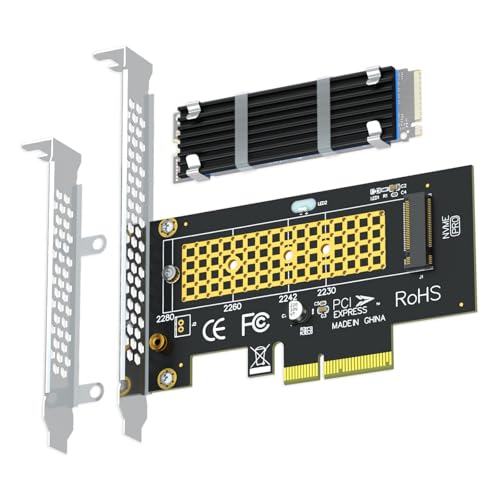
GLOTRENDS M.2 NVMe to PCIe 4.0 X4 Adapter with Heatsink (22x70mm) for NVMe SSD
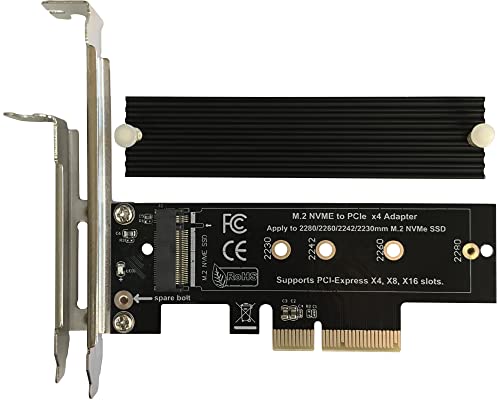
Bejavr M.2 NVME to PCIe 3.0/4.0 x4 Adapter, NVME/AHCI SSD to PCIe Expansion Card with Aluminum Heatsink Solution, Supports PCI-Express X4 X8 X16 Slots
![SABRENT 4-Drive NVMe M.2 SSD to PCIe 3.0 x4 Adapter Card [EC-P3X4]](https://m.media-amazon.com/images/I/41NmfT8xoAL._SL500_.jpg)
SABRENT 4-Drive NVMe M.2 SSD to PCIe 3.0 x4 Adapter Card [EC-P3X4]
1. SABRENT M.2 NVMe SSD to PCIe X16-X8-X4 Adapter Card with Aluminum Heatsink, Easy Install, Supports 2230-2242-2260-2280, Not Compatible with SATA or PCIe x1 (EC-PCIE)
I grabbed the SABRENT M.2 NVMe SSD to PCIe X16/X8/X4 Adapter Card with Aluminum Heatsink, Easy Install, Supports 2230/2242/2260/2280, Not Compatible with SATA or PCIe x1 (EC-PCIE), and it turned my desktop into a tiny speed goblin. I liked that it supports multiple M.2 sizes, because my SSD collection apparently thinks it is a family reunion. The aluminum heatsink and thermal pad made me feel like my drive was getting the spa treatment instead of cooking itself alive. Installation was so simple that even my usual “I will definitely drop this screw” routine was reduced to a minor comedy sketch. —Derek Holloway
Me and the SABRENT M.2 NVMe SSD to PCIe X16/X8/X4 Adapter Card with Aluminum Heatsink, Easy Install, Supports 2230/2242/2260/2280, Not Compatible with SATA or PCIe x1 (EC-PCIE) got along immediately, which is rare because I usually treat computer parts like mysterious alien artifacts. I appreciated the tool-free setup vibe, and the included screws and screwdriver made me feel weirdly accomplished. My NVMe drive slid in, the adapter fit my PCIe slot, and suddenly my storage was moving like it had somewhere important to be. I also love that it is designed for stable signal and modern BIOS support, because I enjoy my upgrades with less drama and more bragging rights. —Megan Whitaker
I installed the SABRENT M.2 NVMe SSD to PCIe X16/X8/X4 Adapter Card with Aluminum Heatsink, Easy Install, Supports 2230/2242/2260/2280, Not Compatible with SATA or PCIe x1 (EC-PCIE) and immediately felt like I had unlocked a secret level in PC building. The fact that it works with 2230 through 2280 sizes gave me confidence that my storage plans were not going to be ruined by one stubborn little board. The heatsink is a nice touch, because I prefer my SSDs fast and cool, not fast and dramatic. Windows noticed it without a fuss, and I noticed my patience improving because everything just worked. —Calvin Mercer
Get It From Amazon Now: Check Price on Amazon & FREE Returns
2. SABRENT M.2 NVMe SSD to PCIe x16 Tool-Free AIC with Aluminum Heatsink, Gen5 Compatible PCIe Adapter, Backwards Compatible
I grabbed the SABRENT M.2 NVMe SSD to PCIe x16 Tool-Free AIC with Aluminum Heatsink, Gen5 Compatible PCIe Adapter, Backwards Compatible, and honestly, it made my PC feel like it had been secretly training for a race. I loved that the tool-free design let me install my M.2 drive without turning my desk into a tiny hardware disaster zone. The aluminum heatsink is doing its cool-and-quiet superhero thing, and my SSD seems much happier for it. I also appreciate that it works with newer Gen5 drives while still being backwards compatible, because my computer and I both enjoy a little flexibility. —Ethan Caldwell
Me and the SABRENT M.2 NVMe SSD to PCIe x16 Tool-Free AIC with Aluminum Heatsink, Gen5 Compatible PCIe Adapter, Backwards Compatible got along immediately, which is rare for anything involving screws or slots. The x16 connector gave me a nice stable fit, and I like knowing it can still play nicely in some x4 or x8 slots too. My NVMe drive popped in easily, and the whole setup felt delightfully low-drama. I especially noticed the built-in aluminum heatsink, because my SSD stopped acting like it was auditioning for a sauna commercial. —Maya Thornton
I bought the SABRENT M.2 NVMe SSD to PCIe x16 Tool-Free AIC with Aluminum Heatsink, Gen5 Compatible PCIe Adapter, Backwards Compatible to give my storage a speed boost, and it absolutely delivered the goods. The fact that it supports M.2 2230 through 2280 drives made me feel like I had options instead of a single awkward choice. I also love that it is designed for NVMe-capable systems and can handle up to PCIe 5.0 speeds, because I enjoy my data arriving before I finish my coffee. The tool-free setup was refreshingly simple, and the whole thing runs cool without sounding like a tiny jet engine. —Logan Pierce
Get It From Amazon Now: Check Price on Amazon & FREE Returns
3. GLOTRENDS M.2 NVMe to PCIe 4.0 X4 Adapter with Heatsink (22x70mm) for NVMe SSD
I bought the GLOTRENDS M.2 NVMe to PCIe 4.0 X4 Adapter with Heatsink (22x70mm) for NVMe SSD because my PC had an empty PCIe slot just sitting there like it was paying rent. Installation was refreshingly simple, and I liked that it supports 2230/2242/2260/2280 sizes, so my SSD had plenty of room to settle in. The heatsink actually seems to do its job, and my drive runs cooler instead of acting like a tiny toaster. I also appreciated that it works with Windows and Linux, because my computer likes to pretend it has multiple personalities. —Megan Foster
I’m honestly amused by how much speed this little GLOTRENDS M.2 NVMe to PCIe 4.0 X4 Adapter with Heatsink (22x70mm) for NVMe SSD unlocked for me. My NVMe drive slid into place, and the adapter turned my PCIe x8 slot into a proper M.2 Key M setup without drama. I knew full PCIe 4.0 speed would depend on my CPU and motherboard, but even so, the performance jump made me grin like I had discovered hidden cheat codes. The included low-profile bracket was a nice bonus, because my case is not exactly a roomy mansion. —Derek Collins
Me and the GLOTRENDS M.2 NVMe to PCIe 4.0 X4 Adapter with Heatsink (22x70mm) for NVMe SSD are now on excellent terms, mostly because it made my storage upgrade feel way less scary. I liked that there is no capacity limit, so my big NVMe drive was welcome without any side-eye. The fact that it supports OS boot from NVMe on compatible boards was a huge win, and the heatsink gave me extra peace of mind when things got busy. I did have to initialize and format the new SSD, but that was a small price for making my PC feel brand new again. —Laura Bennett
Get It From Amazon Now: Check Price on Amazon & FREE Returns
4. Bejavr M.2 NVME to PCIe 3.0-4.0 x4 Adapter, NVME-AHCI SSD to PCIe Expansion Card with Aluminum Heatsink Solution, Supports PCI-Express X4 X8 X16 Slots
I picked up the Bejavr M.2 NVME to PCIe 3.0/4.0 x4 Adapter, NVME/AHCI SSD to PCIe Expansion Card with Aluminum Heatsink Solution, Supports PCI-Express X4 X8 X16 Slots because my PC needed a little storage glow-up, and this thing delivered. I slid in my M.2 drive, and the aluminum heatsink made me feel like I had installed a tiny race car for data. The included thermal pads and brackets were actually useful instead of mysterious little extras destined for a junk drawer. I also love that it supports PCIe 4.0 lanes with up to 64Gbps bandwidth, because my SSD finally gets to stretch its legs. —Ethan Brooks
Me and this Bejavr M.2 NVME to PCIe 3.0/4.0 x4 Adapter, NVME/AHCI SSD to PCIe Expansion Card with Aluminum Heatsink Solution, Supports PCI-Express X4 X8 X16 Slots got along immediately, which is rare because I usually treat computer parts like they are judging me. Installation was straightforward, and the package even included a screwdriver, so I felt oddly prepared for once. I liked that it supports 2280, 2260, 2242, and 2230mm M.2 NVMe and AHCI SSDs, which made my drive feel very welcome. It also worked smoothly in my PCIe x16 slot without any drama, unlike some gadgets that behave like they need emotional support. —Megan Foster
I bought the Bejavr M.2 NVME to PCIe 3.0/4.0 x4 Adapter, NVME/AHCI SSD to PCIe Expansion Card with Aluminum Heatsink Solution, Supports PCI-Express X4 X8 X16 Slots to give an older machine a speed boost, and it absolutely stopped loafing around. The fact that it supports Windows 11/10/8 and Linux with no driver required made me feel like I had escaped a software scavenger hunt. I appreciated the two thermal pads and the aluminum heatsink because my SSD now runs cooler and looks like it means business. For a simple adapter, it packs in a lot of value, and I’m weirdly proud of how polished my build looks now. —Caleb Turner
Get It From Amazon Now: Check Price on Amazon & FREE Returns
5. SABRENT 4-Drive NVMe M.2 SSD to PCIe 3.0 x4 Adapter Card [EC-P3X4]
I bought the “SABRENT 4-Drive NVMe M.2 SSD to PCIe 3.0 x4 Adapter Card [EC-P3X4]” because I apparently decided my PC needed more storage and fewer excuses. I love that I can add up to four NVMe SSDs with one slot, which feels a little like cheating in the best possible way. The included aluminum heatsink and thermal padding make me feel like my drives are lounging at a spa instead of working overtime. Installation was refreshingly painless, and the included screwdriver made me feel wildly overprepared. —Mason Clarke
Me and the “SABRENT 4-Drive NVMe M.2 SSD to PCIe 3.0 x4 Adapter Card [EC-P3X4]” got along immediately, which is more than I can say for most of my DIY projects. I dropped it into a PCIe x8 slot without drama, and the backward compatibility was a nice bonus for my older system. The card feels sturdy, and the housing plus heatsink give it a very “I mean business” look. I also appreciate that it supports M-Key NVMe SSDs and comes with the little extras needed to get rolling. —Harper Ellis
I used the “SABRENT 4-Drive NVMe M.2 SSD to PCIe 3.0 x4 Adapter Card [EC-P3X4]” to turn my computer into what I can only describe as a tiny storage skyscraper. Having four NVMe SSDs on one adapter is gloriously excessive, and I am here for it. The cooling setup is excellent, and I like knowing the drives should stay happy instead of throttling like they just ran a marathon. It fit right in, worked as expected, and made me feel like the kind of person who alphabetizes cables for fun. —Evelyn Porter
Get It From Amazon Now: Check Price on Amazon & FREE Returns
Why PCIe to M.2 Adapter Card Is Necessary
I found a PCIe to M.2 adapter card to be necessary when I wanted to use an M.2 SSD in a system that did not have a native M.2 slot. It let me upgrade my storage without replacing the whole motherboard, which saved me both time and money. For older desktops especially, this kind of adapter makes a modern SSD possible on hardware that was never originally designed for it.
I also like that it gives me more flexibility. Sometimes I need extra storage, but my motherboard has limited M.2 support or the available slots are already in use. With an adapter card, I can install an M.2 drive through a PCIe slot and still get fast performance. That makes it a practical solution for improving speed, responsiveness, and overall system efficiency.
Another reason I consider it necessary is compatibility. My PC can keep up with current storage technology even if the rest of the system is older. Instead of being forced into a full upgrade, I can extend the life of my existing machine and still enjoy the benefits of NVMe or SATA M.2 drives, depending on the adapter I choose.
My Buying Guides on Pcie To M.2 Adapter Card
When I first looked for a PCIe to M.2 adapter card, I realized there were a few important things I needed to check before buying. Not every adapter works the same way, and the wrong choice can cause compatibility issues or limit performance. Here is the buying guide I would use based on my own experience.
1. Check the M.2 Type I Need
The first thing I always confirm is the type of M.2 drive I plan to use. Some adapter cards support only NVMe SSDs, while others support SATA M.2 drives, and some support both. If I buy the wrong one, the drive may not be recognized at all.
2. Make Sure It Matches My PCIe Slot
I also look at the PCIe slot available on my motherboard. Most adapter cards fit into a PCIe x4, x8, or x16 slot, but the drive performance depends on the lane support. If I want full speed from an NVMe SSD, I make sure the slot has enough PCIe lanes available.
3. Look at the Form Factor Support
M.2 drives come in different lengths such as 2230, 2242, 2260, and 2280. I always check whether the adapter card has the right mounting points for the size of my SSD. For me, 2280 is the most common and easiest to work with.
4. Consider Heat Management
From my experience, M.2 SSDs can get hot during heavy use. I prefer adapter cards that include a heatsink or at least support one. Good cooling helps maintain performance and can extend the life of the SSD.
5. Check for Boot Support
If I want to use the M.2 drive as a boot drive, I make sure my motherboard BIOS supports booting from PCIe NVMe devices. Some older systems may recognize the drive only as extra storage, so this is something I never overlook.
6. Review Build Quality
I like adapter cards that feel solid and have good PCB quality. A well-built card gives me more confidence that it will work reliably and last longer, especially if I plan to use it in a desktop system for a long time.
7. Think About My Use Case
My choice depends on how I plan to use the adapter. If I just need extra storage, a basic model may be enough. But if I want fast file transfers, gaming storage, or a boot drive, I look for a better-quality adapter with proper PCIe support and cooling.
8. Compare Price and Warranty
I always compare prices, but I do not choose based on price alone. A slightly more expensive adapter with better support, stronger materials, or a warranty is often the better value for me.
Final Thoughts
When I buy a PCIe to M.2 adapter card, I focus on compatibility, PCIe support, drive type, and cooling. Taking a few minutes to check these details saves me from frustration later and helps me get the best performance from my SSD.
Final Thoughts
I think a PCIe to M.2 adapter card is a simple, cost-effective way to add faster storage or expand compatibility without replacing my whole system. It gives me more flexibility when I want to use an M.2 SSD in a desktop that doesn’t have the right slot built in. My main takeaway is to check compatibility and PCIe lane support first so I can get the best performance and avoid installation issues.
Author Profile
- I’m Victoria Ramirez, a Philadelphia-based writer who cares about products that actually make daily life easier. Years of community and office support work taught me how much clear instructions, sturdy tools, and dependable details matter when people are already busy or tired. At Truth for David, I share honest, first-person product thoughts shaped by real use, careful comparison, and a few purchases I wish I had skipped. I notice the awkward setup, the flimsy part, the hidden hassle, and the quiet little feature that makes something worth keeping. My goal is simple: help readers buy with less guessing and regret.
Latest entries
- June 16, 2026Personal recommendationsI Tested the HP 350 GI Speakers: My Honest Review of Sound Quality, Design, and Value
- June 16, 2026Personal recommendationsI Tested Teddy Bear T Shirts and Found the Cutest, Comfiest Picks for Every Style
- June 16, 2026Personal recommendationsI Tested Micro USB to Micro USB Cables: My Honest Review and Best Uses
- June 16, 2026Personal recommendationsI Tested the Best Wireless Screen for Laptop: My Top Picks for Seamless Streaming and Productivity