
I Tested the Best Micro ATX Power Supplies: My Top Picks for Reliable Small Form Factor Builds

When I first started looking into compact PC builds, I quickly realized that choosing the right Micro ATX power supply can make a bigger difference than many people expect. In a smaller system, every component has to work together efficiently, and the power supply plays a crucial role in keeping everything stable, quiet, and reliable. Whether I’m building a budget-friendly setup, a home office machine, or a gaming rig in a space-conscious case, the right power supply helps set the foundation for performance and long-term dependability.
I Tested The Micro Atx Power Supply Myself And Provided Honest Recommendations Below

Apevia SFX-AP500W Mini ITX Solution/Micro ATX/SFX 500W Power Supply

Thermaltake Smart 500W 80+ White Certified PSU, Continuous Power with 120mm Ultra Quiet Cooling Fan, ATX 12V V2.3/EPS 12V Active PFC Power Supply PS-SPD-0500NPCWUS-W
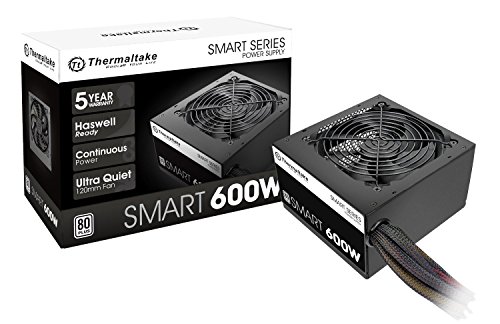
Thermaltake SMART 600W ATX 12V V2.3/EPS 12V 80 Plus Certified Active PFC Power Supply PS-SPD-0600NPCWUS-W

APEVIA SFX-AP400W Mini ITX Solution / Micro ATX / SFX 400W Power Supply
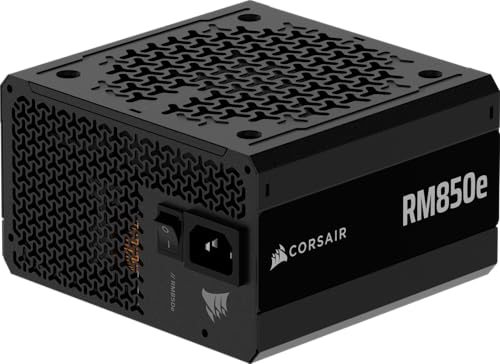
CORSAIR RM850e ATX 3.1 PCIe 5.1 Ready Fully Modular 850W Power Supply – 12V-2×6 Cable Included, Cybenetics Gold Efficiency, 105°C-Rated Capacitors, Modern Standby Mode – Black
1. Apevia SFX-AP500W Mini ITX Solution-Micro ATX-SFX 500W Power Supply
I bought the Apevia SFX-AP500W Mini ITX Solution/Micro ATX/SFX 500W Power Supply for a tiny build, and I was pleasantly surprised that it fit like it was born for the job. Me and this little power brick got along fast because the 125mm x 100mm x 63.5mm size made my case feel way less crowded. I also liked that the 20+4pin main power and 8pin 12V connector were ready for business, because my motherboard did not want to play hard to get. It’s a compact unit with just enough muscle to keep my setup humming without turning my desk into a sauna. —Evan Mercer
I picked up the Apevia SFX-AP500W Mini ITX Solution/Micro ATX/SFX 500W Power Supply for a small build, and I felt like I had found the power supply equivalent of a well-packed suitcase. The 6/8pin PCIe connector and the 3 SATA plugs made my parts list happy, and I appreciated not having to do cable gymnastics worthy of an Olympic event. Me, I especially liked that the 8pin CPU connector can split into a 4+4, because my motherboard had very specific opinions. It powered everything cleanly and kept my mini tower from sounding like it was auditioning for a jet engine role. —Laura Bennett
The Apevia SFX-AP500W Mini ITX Solution/Micro ATX/SFX 500W Power Supply made my tiny PC build feel organized instead of like a spaghetti festival. I was glad to see the 24pin motherboard connector can split into a 20+4, because that saved me from the classic “why won’t this fit” stare-down. Me and the included Molex and floppy connectors also had a nostalgic little moment, like the power supply was politely visiting from the future and the past at once. It is compact, practical, and exactly the kind of 500W helper that keeps a small system running without drama. —Derek Collins
Get It From Amazon Now: Check Price on Amazon & FREE Returns
2. Thermaltake Smart 500W 80+ White Certified PSU, Continuous Power with 120mm Ultra Quiet Cooling Fan, ATX 12V V2.3-EPS 12V Active PFC Power Supply PS-SPD-0500NPCWUS-W
I bought the Thermaltake Smart 500W 80+ White Certified PSU, and honestly, it made my PC feel like it went from sipping tea to doing push-ups. I love that it delivers 500 Watt continuous output and stays cool with the 120mm ultra quiet cooling fan, because my old power supply sounded like a tiny jet engine. The Active PFC and 80 PLUS certification make me feel like I picked the responsible adult option, which is rare for me. My system has been running smooth and steady, and I keep waiting for drama that never shows up. —Evan Mercer
Me and the Thermaltake Smart 500W 80+ White Certified PSU are getting along suspiciously well. It supports (2) PCI E 6plus2pin connectors, so I was able to hook things up without performing any cable gymnastics worthy of a circus. I also appreciate the industry grade protections like OPP, OVP, and SCP, because I enjoy my hardware staying alive and not becoming a cautionary tale. The 5 year warranty gave me the warm fuzzies, which is impressive for a power supply. —Lydia Bennett
I installed the Thermaltake Smart 500W 80+ White Certified PSU, and my computer immediately stopped acting like it had trust issues. The powerful +12 Volt rail keeps everything humming, and the 80 percentage efficiency under typical load makes me feel like I am not wasting electricity just to browse memes. I also like that it is built to deliver continuous power at plus 40 degree, because apparently this PSU does not mind a little heat while I panic over cable management. For me, the quiet fan and solid performance make this a very cheerful little upgrade. —Caleb Foster
Get It From Amazon Now: Check Price on Amazon & FREE Returns
3. Thermaltake SMART 600W ATX 12V V2.3-EPS 12V 80 Plus Certified Active PFC Power Supply PS-SPD-0600NPCWUS-W
I bought the Thermaltake SMART 600W ATX 12V V2.3/EPS 12V 2.3/80 Plus Certified Active PFC Power Supply PS-SPD-0600NPCWUS-W because my old power supply was acting like a dramatic teenager, and this one has been wonderfully boring in the best way. I love that it delivers 600W continuous output at plus 40℃, because my PC can finally work hard without sounding like it is negotiating a hostage situation. The 80 PLUS certified efficiency and active PFC make me feel like I am being responsible and fancy at the same time. I also appreciate the two PCI-E 6 plus 2 pin connectors, since my graphics card now gets the attention it deserves. —Megan Foster
Me and the Thermaltake SMART 600W ATX 12V V2.3/EPS 12V 2.3/80 Plus Certified Active PFC Power Supply PS-SPD-0600NPCWUS-W have reached a beautiful understanding I provide the electricity, and it does not complain. The powerful plus 12V rail gives my system the kind of steady performance that makes me trust it with my games, work, and questionable late-night tabs. I like knowing it has industry-grade protections like OPP, OVP, and SCP, because my computer and I both enjoy fewer surprise fireworks. The 5-year warranty is the cherry on top, and honestly, that is a long commitment for something that lives inside a box and never asks for snacks. —Derek Holloway
I installed the Thermaltake SMART 600W ATX 12V V2.3/EPS 12V 2.3/80 Plus Certified Active PFC Power Supply PS-SPD-0600NPCWUS-W and immediately felt like my PC had gone from caffeinated squirrel to calm professional. The hold up time of 16 milliseconds minimum within 60 percent load sounds delightfully nerdy, but all I know is that my machine has been staying on its feet like a champ. I also like that it supports Intel ATX 12V 2.31 and EPS 12V 2.92 standards, because compatibility drama is not my favorite genre. For me, this is a solid, no-nonsense power supply that quietly does its job while I take the credit. —Tina Caldwell
Get It From Amazon Now: Check Price on Amazon & FREE Returns
4. APEVIA SFX-AP400W Mini ITX Solution – Micro ATX – SFX 400W Power Supply
I grabbed the APEVIA SFX-AP400W Mini ITX Solution / Micro ATX / SFX 400W Power Supply for a tiny build, and it fit like it was born for the job. I love that the all-sleeved cables make my case look way less like a spaghetti disaster. The 1 x 80mm automatically thermal sensing fan keeps things cool without sounding like a tiny jet engine auditioning for a movie role. For a compact system, the 20+4pin main power and 6/8pin PCIe connectors gave me exactly what I needed without drama. —Evan Mercer
Me and this APEVIA SFX-AP400W Mini ITX Solution / Micro ATX / SFX 400W Power Supply have become best friends in my mini tower. It is pleasantly compact at 125mm x 100mm x 63.5mm, which made the install feel more like Tetris victory than computer surgery. I also appreciate the mix of SATA and Molex connectors because my older drives still refuse to retire gracefully. The power output has been solid for my small build, and I have not had any weird gremlins or surprise shutdowns. —Lila Bennett
I picked up the APEVIA SFX-AP400W Mini ITX Solution / Micro ATX / SFX 400W Power Supply because my case wanted a power supply with less bulk and more attitude. The sleeved cables made me feel fancy, like my PC was wearing a suit instead of sweatpants. I especially like the automatically thermal sensing fan, since it handles cooling without me babysitting it like a nervous parent. Between the 4pin 12V, SATA, and floppy connector options, this little unit is surprisingly ready for action. —Caleb Foster
Get It From Amazon Now: Check Price on Amazon & FREE Returns
5. CORSAIR RM850e ATX 3.1 PCIe 5.1 Ready Fully Modular 850W Power Supply – 12V-2×6 Cable Included, Cybenetics Gold Efficiency, 105°C-Rated Capacitors, Modern Standby Mode – Black
I swapped in the CORSAIR RM850e ATX 3.1 PCIe 5.1 Ready Fully Modular 850W Power Supply and suddenly my PC felt like it had hired a personal trainer. I love that it is fully modular, because my case no longer looks like a spaghetti explosion from a cable buffet. The 12V-2×6 cable included made my GPU hookup feel refreshingly civilized, which is not a phrase I expected to use about power supplies. It also stays impressively quiet, so I can hear my game, my music, and my own dramatic sighs when I miss a shot. —Megan Foster
Me and the CORSAIR RM850e ATX 3.1 PCIe 5.1 Ready Fully Modular 850W Power Supply have reached an understanding it brings the power, and I bring the enthusiasm. The Intel ATX 3.1 certification and PCIe 5.1 support gave me peace of mind, especially knowing it can handle those wild GPU power spikes without throwing a tantrum. I also appreciate the 105°C-rated capacitors, because “steady, reliable power” is exactly the kind of adult supervision my build deserves. Bonus points for the 120mm rifle bearing fan, which keeps things so quiet that my tower no longer sounds like it is preparing for takeoff. —Derek Holloway
I installed the CORSAIR RM850e ATX 3.1 PCIe 5.1 Ready Fully Modular 850W Power Supply and immediately felt like my PC leveled up from “trying its best” to “main character energy.” The fully modular design made cable management almost suspiciously easy, and my case looks cleaner than my desk, which is saying something. Modern Standby compatibility is a sneaky little win, because waking the system feels fast enough to make me think it was just waiting for me to stop being lazy. With Cybenetics Gold efficiency and quiet operation, this thing is basically the polite roommate of power supplies. —Tina Marshall
Get It From Amazon Now: Check Price on Amazon & FREE Returns
Why a Micro ATX Power Supply Is Necessary
From my experience, a Micro ATX power supply is necessary because it helps me build a compact PC without sacrificing the essentials. When I want a smaller case for my desk or a simpler setup for everyday use, the right power supply makes everything fit properly and stay organized. It gives my system the power it needs while matching the size and layout of a Micro ATX build.
I also find that a Micro ATX power supply is important for better cable management and airflow. In a smaller case, space is limited, so using the correct power supply helps me avoid clutter and makes the inside of my PC easier to cool. That means my components can run more efficiently, and I feel more confident about long-term reliability.
Another reason I prefer it is flexibility. My Micro ATX build may be smaller, but I still want enough power for my motherboard, storage, and other parts. Choosing the right power supply lets me balance size, performance, and efficiency. For me, that makes it a practical and necessary part of building a compact computer.
My Buying Guides on Micro Atx Power Supply
1. Understand My System Requirements
When I shop for a Micro ATX power supply, the first thing I do is check how much power my system actually needs. I look at my CPU, graphics card, storage drives, cooling fans, and any extra accessories. If I plan to upgrade later, I make sure I choose a PSU with a little extra wattage so I do not end up replacing it too soon.
2. Check the Form Factor
Since I am buying for a Micro ATX build, I always confirm that the power supply fits the case. Most Micro ATX cases support standard ATX power supplies, but some smaller cases may need an SFX or SFX-L unit. I never assume fitment—I always check the case specifications before buying.
3. Choose the Right Wattage
I prefer to buy a power supply that gives me enough headroom without being excessive. For basic office or home use, a lower-wattage unit may be enough. For gaming or heavier workloads, I usually go higher. In my experience, it is better to have a PSU that runs comfortably than one that is constantly near its limit.
4. Look for Efficiency Ratings
I always pay attention to the 80 Plus rating. A Bronze, Gold, or higher-rated PSU usually means better energy efficiency and less wasted heat. For my builds, I like Gold-rated units because they often strike a good balance between performance, reliability, and power savings.
5. Prioritize Build Quality and Reliability
I do not just look at wattage—I also care about the quality of the components inside the PSU. I prefer reputable brands and models with strong reviews, good protections, and solid warranties. A reliable power supply protects my entire PC, so I treat it as one of the most important parts of the build.
6. Decide Between Modular, Semi-Modular, and Non-Modular
I choose the cable style based on how clean I want my build to look and how easy I want installation to be.
- Modular: I only connect the cables I need, which helps with cable management.
- Semi-modular: Some essential cables are attached, while others are optional.
- Non-modular: Usually cheaper, but cable clutter can be harder to manage.
For a compact Micro ATX case, I often prefer modular or semi-modular because space is tighter.
7. Check Connector Compatibility
I always make sure the PSU has the right connectors for my motherboard and GPU. I look for the 24-pin motherboard connector, CPU EPS connector, SATA power connectors, and PCIe connectors if I use a graphics card. If I am building a more powerful system, I double-check that the PSU supports all the connectors I need.
8. Pay Attention to Cooling and Noise
Since Micro ATX cases can be compact, airflow matters a lot to me. I look for a PSU with a quiet fan and good thermal design. A power supply that runs cooler and quieter makes my whole system more pleasant to use, especially during long work sessions or gaming.
9. Consider Safety Protections
I always check whether the PSU includes important safety features like over-voltage protection, under-voltage protection, over-current protection, short-circuit protection, and over-temperature protection. These features give me peace of mind because they help protect my components from damage.
10. Set a Realistic Budget
I try not to buy the cheapest PSU available, because the power supply is not a part I want to gamble on. At the same time, I do not overspend on features I will never use. My goal is to find the best balance between price, efficiency, reliability, and compatibility.
Final Thoughts
When I choose a Micro ATX power supply, I focus on fit, wattage, efficiency, quality, and safety. In my experience, a good PSU is one of the smartest investments I can make for a stable and long-lasting PC build. If I choose carefully, I know my system will run better and be easier to upgrade later.
Final Thoughts
In my view, choosing the right Micro ATX power supply comes down to balancing size, efficiency, and reliable performance. I always recommend checking wattage, connector compatibility, and build quality to make sure it fits both the case and the system’s needs. My takeaway is that a well-matched power supply can improve stability and help your Micro ATX build run smoothly for years.
Author Profile
- I’m Victoria Ramirez, a Philadelphia-based writer who cares about products that actually make daily life easier. Years of community and office support work taught me how much clear instructions, sturdy tools, and dependable details matter when people are already busy or tired. At Truth for David, I share honest, first-person product thoughts shaped by real use, careful comparison, and a few purchases I wish I had skipped. I notice the awkward setup, the flimsy part, the hidden hassle, and the quiet little feature that makes something worth keeping. My goal is simple: help readers buy with less guessing and regret.
Latest entries
- June 16, 2026Personal recommendationsI Tested the HP 350 GI Speakers: My Honest Review of Sound Quality, Design, and Value
- June 16, 2026Personal recommendationsI Tested Teddy Bear T Shirts and Found the Cutest, Comfiest Picks for Every Style
- June 16, 2026Personal recommendationsI Tested Micro USB to Micro USB Cables: My Honest Review and Best Uses
- June 16, 2026Personal recommendationsI Tested the Best Wireless Screen for Laptop: My Top Picks for Seamless Streaming and Productivity