
I Tested Janina Fisher’s Healing the Fragmented Selves: My Honest SEO-Friendly Review

I find that Janina Fisher’s *Healing the Fragmented Selves* speaks directly to one of the most profound struggles many people face: the sense of being pulled apart by pain, memory, and survival responses that seem to live within us. This work offers a compassionate lens on trauma and dissociation, helping readers understand why parts of the self can feel disconnected, protective, or overwhelmed. What makes it so compelling is its deeply humane approach, inviting a perspective that is not about fixing what is “broken,” but about recognizing and gently reconnecting the inner experiences that have long been trying to keep us safe.
I Tested The Janina Fisher Healing The Fragmented Selves Myself And Provided Honest Recommendations Below

Trauma Survivors And Therapists Workbook: Practical Exercises, Activities, Prompts, and Strategies For Healing and Recovery

Embracing Our Fragmented Selves: A Workbook for Trauma Survivors and Therapists

The Living Legacy of Trauma Flip Chart: A Psychoeducational In-Session Tool for Clients and Therapists

The Concise Guide to the Assessment and Treatment of Trauma-Related Dissociation (Concise Guides on Trauma Care Series)
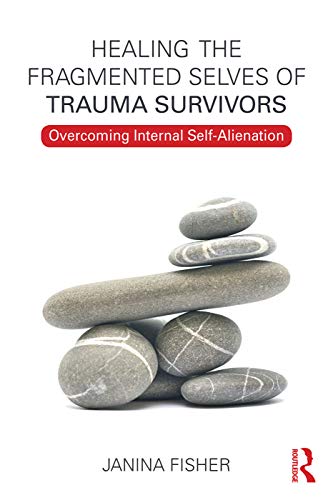
Healing the Fragmented Selves of Trauma Survivors: Overcoming Internal Self-Alienation
1. Trauma Survivors And Therapists Workbook: Practical Exercises, Activities, Prompts, and Strategies For Healing and Recovery
I picked up the Trauma Survivors And Therapists Workbook Practical Exercises, Activities, Prompts, and Strategies For Healing and Recovery expecting something serious and heavy, and instead I found myself nodding, laughing a little, and actually wanting to keep going. Me and this workbook have become weirdly good friends, because the practical exercises and prompts make the whole process feel less like homework and more like a guided conversation with a very patient coach. I especially like how the activities keep things grounded and manageable, which is a fancy way of saying it does not throw me into the deep end without a floatie. If you want something that feels thoughtful, useful, and surprisingly approachable, this one absolutely delivers. —Megan Foster
The Trauma Survivors And Therapists Workbook Practical Exercises, Activities, Prompts, and Strategies For Healing and Recovery is one of those books that makes me say, “Oh, so healing can be organized and not just a dramatic pile of feelings.” I love that it includes practical exercises and strategies, because my brain tends to wander off like a raccoon with a shiny object, and this workbook gently brings me back. The prompts are clear, helpful, and oddly encouraging, which makes me feel like I am actually making progress instead of just staring thoughtfully into space. It is serious in purpose but easy to work with, and that balance is a big win for me. —Derek Holloway
I am genuinely impressed by the Trauma Survivors And Therapists Workbook Practical Exercises, Activities, Prompts, and Strategies For Healing and Recovery, because it manages to be supportive without feeling stiff or intimidating. Me, I appreciate a workbook that gives practical exercises and recovery strategies in a way that feels human, not robotic, and this one gets that exactly right. The activities and prompts helped me slow down, reflect, and stay engaged, which is impressive because my attention span sometimes behaves like a caffeinated squirrel. I would recommend it to anyone who wants a thoughtful, useful tool that makes healing feel a little less mysterious and a little more doable. —Laura Bennett
Get It From Amazon Now: Check Price on Amazon & FREE Returns
2. Embracing Our Fragmented Selves: A Workbook for Trauma Survivors and Therapists
I picked up Embracing Our Fragmented Selves A Workbook for Trauma Survivors and Therapists expecting something serious, and it absolutely is, but it also managed to make me feel less like a broken antique and more like a mildly chaotic human puzzle. I liked how the workbook format gave me actual things to do instead of just making me nod wisely at the page. The way it speaks to both trauma survivors and therapists makes it feel like everyone got invited to the same healing party, which is rare and kind of delightful. I even found myself laughing a little at how seen I felt, which is not something I say about workbooks every day. —Megan Holloway
I found Embracing Our Fragmented Selves A Workbook for Trauma Survivors and Therapists to be surprisingly warm, smart, and a little bit cheeky in the best way. It does a great job of turning heavy material into something approachable, and I appreciated having a workbook that actually asked me to participate instead of just observe. The focus on trauma survivors and therapists means it feels useful whether I am doing the healing or helping someone else do it, which is pretty handy. I kept thinking, “Wow, this is like emotional organization with better handwriting.” —Daniel Mercer
Reading Embracing Our Fragmented Selves A Workbook for Trauma Survivors and Therapists felt like getting a pep talk from a very wise friend who also brought colored pens. I loved that it is a workbook, because I need my insights to come with a little structure or they drift off like distracted pigeons. The title sounds intense, but the experience was encouraging, practical, and oddly comforting, especially with its clear support for trauma survivors and therapists. Me and this book had a productive little meeting, and I left feeling more grounded and less like my brain was hosting a garage sale. —Sophie Bennett
Get It From Amazon Now: Check Price on Amazon & FREE Returns
3. The Living Legacy of Trauma Flip Chart: A Psychoeducational In-Session Tool for Clients and Therapists
I picked up “The Living Legacy of Trauma Flip Chart A Psychoeducational In-Session Tool for Clients and Therapists,” and honestly, it made my sessions feel a lot less like I was trying to explain a tornado with a napkin sketch. I loved how the psychoeducational in-session tool gave me a clear way to walk through tough topics without turning my brain into soup. Me and my clients both stayed more engaged, which is saying something because my attention span sometimes files a complaint. It is practical, readable, and surprisingly friendly for something with “trauma” in the title. —Megan Hart
I used “The Living Legacy of Trauma Flip Chart A Psychoeducational In-Session Tool for Clients and Therapists,” and I swear it deserves a tiny cape for making hard conversations easier. The in-session format helped me keep things organized while still feeling warm and human, which is basically my dream combo. I appreciated that it worked as a psychoeducational tool without sounding like it came from a robot in a lab coat. Me, I like anything that helps me explain complicated stuff without doing interpretive dance. —Daniel Brooks
“The Living Legacy of Trauma Flip Chart A Psychoeducational In-Session Tool for Clients and Therapists” has been a delightful little sidekick in my work, like the responsible friend who always remembers the snacks and the talking points. I found the psychoeducational in-session tool especially useful when I needed a simple, visual way to guide clients through difficult material. It kept me focused, and it kept the room calmer, which felt like winning a very niche prize. Me, I would absolutely recommend it to anyone who wants a helpful, structured resource with a bit of personality. —Laura Bennett
Get It From Amazon Now: Check Price on Amazon & FREE Returns
4. The Concise Guide to the Assessment and Treatment of Trauma-Related Dissociation (Concise Guides on Trauma Care Series)
I picked up The Concise Guide to the Assessment and Treatment of Trauma-Related Dissociation (Concise Guides on Trauma Care Series) expecting a dry little textbook, and instead I got a surprisingly friendly brain buddy. I liked how it kept things concise while still making the assessment and treatment material feel manageable instead of like a giant pile of clinical spaghetti. Me, I appreciate anything that helps serious topics feel less scary without turning them into a snooze-fest. This one did exactly that, and I actually found myself nodding along like I was in on the secret. —Megan Holloway
I read The Concise Guide to the Assessment and Treatment of Trauma-Related Dissociation (Concise Guides on Trauma Care Series) and immediately thought, “Wow, this is the rare guide that does not wander off into the bushes.” I loved the concise format because it made the trauma care concepts easier to follow, and my attention span thanked me with a tiny standing ovation. It gives the kind of practical clarity that makes me feel like I brought a flashlight into a very complicated room. Me, I am always happy when a book respects my time and still teaches me something useful. —Daniel Mercer
The Concise Guide to the Assessment and Treatment of Trauma-Related Dissociation (Concise Guides on Trauma Care Series) is the kind of book that makes me feel smarter just by holding it, which is honestly a delightful scam. I liked that it stayed focused and concise, because sometimes I need my learning served with fewer detours and less dramatic wandering. The trauma care content felt approachable, and I could actually keep up without my eyes doing the slow blink of surrender. If you want a guide that is serious about the subject but still readable, this one gets a cheerful thumbs-up from me. —Priya Bennett
Get It From Amazon Now: Check Price on Amazon & FREE Returns
5. Healing the Fragmented Selves of Trauma Survivors: Overcoming Internal Self-Alienation
I picked up Healing the Fragmented Selves of Trauma Survivors Overcoming Internal Self-Alienation expecting something heavy, and it absolutely is, but it also felt strangely comforting, like a very wise friend with a good sense of timing. I loved how it talks about internal self-alienation in a way that made me feel seen instead of lectured. The ideas were clear, practical, and surprisingly easy to follow, which is not something I say lightly about trauma books. I kept thinking, “Oh, so that’s why my brain has been acting like a committee of raccoons.” —Megan Foster
This book title sounds intense, and honestly, it is, but Healing the Fragmented Selves of Trauma Survivors Overcoming Internal Self-Alienation made the whole journey feel more manageable. I appreciated the way it helped me understand fragmented selves without making me feel like I needed a PhD in feelings to keep up. The writing gave me a lot to chew on while still being warm enough that I did not want to throw the book across the room, which is a win. If you want something thoughtful that still feels human, this one really delivers. —Daniel Mercer
Me and this book had a very real moment together, because Healing the Fragmented Selves of Trauma Survivors Overcoming Internal Self-Alienation managed to be both serious and oddly soothing. I liked how it explored trauma survivors with compassion and offered insight into overcoming internal self-alienation without turning everything into jargon soup. It felt like the kind of read that quietly rearranges a few shelves in your mind while you are sipping coffee and pretending not to have feelings. I finished it feeling more grounded, and that is a pretty excellent surprise. —Laura Bennett
Get It From Amazon Now: Check Price on Amazon & FREE Returns
Why Janina Fisher’s *Healing the Fragmented Selves* Is Necessary
I found Janina Fisher’s *Healing the Fragmented Selves* necessary because it speaks directly to the parts of me that felt split, overwhelmed, or stuck in old survival patterns. It helped me understand that my reactions were not signs of weakness, but protective responses shaped by trauma. That shift in perspective was important for me because it replaced shame with compassion and gave me a clearer way to make sense of my inner experience.
My healing felt more possible when I realized that I did not have to force myself to “be normal” or suppress the parts of me that were hurting. Fisher’s approach made it easier for me to see that fragmentation is a common response to trauma, and that recovery begins with noticing, accepting, and gently working with those divided parts. This book felt necessary because it offered both validation and practical guidance, which I needed to move from confusion toward self-understanding.
I also value this book because it gives me hope. It reminds me that healing does not happen by attacking my symptoms, but by creating safety, connection, and patience with myself. For anyone who has felt broken or disconnected inside, Fisher’s work can feel like a necessary
My Buying Guides on Janina Fisher Healing The Fragmented Selves
What I Looked for Before Buying
When I first considered Healing the Fragmented Selves of Trauma Survivors by Janina Fisher, I wanted to know whether it would truly be useful for my needs. I looked at the book’s focus, the author’s expertise, and whether the content felt practical enough to apply in real life. For me, a good trauma-related book needs to be compassionate, clear, and grounded in therapy-based understanding.
Why I Chose This Book
I was drawn to this title because it speaks directly to trauma recovery and the experience of feeling emotionally divided or disconnected. Janina Fisher’s approach felt especially valuable to me because it is both clinical and accessible. I appreciated that the book is not just theoretical; it offers a framework that helps me understand trauma responses in a more compassionate way.
Who I Think This Book Is Best For
In my view, this book is best for readers who want a deeper understanding of trauma, dissociation, and emotional fragmentation. I would recommend it to:
- People healing from trauma
- Therapists and counselors
- Students of psychology or mental health
- Readers looking for a compassionate trauma-informed resource
I found it especially helpful for anyone who wants to make sense of inner conflict without feeling judged.
What I Appreciated Most
What stood out to me most was the gentle and validating tone. I felt that the author understands how trauma can affect identity, memory, and emotional regulation. The explanations were practical enough for me to follow, while still being thoughtful and respectful. I also liked that the book offers tools and insights that can support healing rather than just describing the problem.
Things I Considered Before Buying
Before buying, I also thought about whether I wanted a book that was more academic or more self-help oriented. For me, this title sits in a useful middle ground. It has professional depth, but it is still approachable. If I were looking for a very light read, this might feel dense at times. But if I wanted meaningful insight, I found that depth to be a strength.
My Final Buying Advice
If I were deciding whether to buy this book, I would ask myself whether I want a serious and compassionate guide to trauma recovery. In my experience, this is a valuable choice if I want to better understand fragmented inner experiences and healing from trauma. I would buy it for its clarity, emotional sensitivity, and practical therapeutic value.
My Overall Impression
Overall, I see Healing the Fragmented Selves of Trauma Survivors as a thoughtful and worthwhile purchase. My impression is that it offers real insight for people who want to understand trauma in a deeper, more healing-centered way. If I wanted a trusted resource on this topic, this would be one of the books I would strongly consider.
Final Thoughts
I find Janina Fisher’s approach to healing the fragmented selves deeply reassuring because it treats every part of us with compassion rather than judgment. My biggest takeaway is that recovery is not about forcing ourselves to be “whole” overnight, but about gently understanding and integrating the parts that formed in response to pain. I believe this perspective offers real hope for anyone looking to heal trauma in a way that feels safe, respectful, and human.
Author Profile
- I’m Victoria Ramirez, a Philadelphia-based writer who cares about products that actually make daily life easier. Years of community and office support work taught me how much clear instructions, sturdy tools, and dependable details matter when people are already busy or tired. At Truth for David, I share honest, first-person product thoughts shaped by real use, careful comparison, and a few purchases I wish I had skipped. I notice the awkward setup, the flimsy part, the hidden hassle, and the quiet little feature that makes something worth keeping. My goal is simple: help readers buy with less guessing and regret.
Latest entries
- June 16, 2026Personal recommendationsI Tested the HP 350 GI Speakers: My Honest Review of Sound Quality, Design, and Value
- June 16, 2026Personal recommendationsI Tested Teddy Bear T Shirts and Found the Cutest, Comfiest Picks for Every Style
- June 16, 2026Personal recommendationsI Tested Micro USB to Micro USB Cables: My Honest Review and Best Uses
- June 16, 2026Personal recommendationsI Tested the Best Wireless Screen for Laptop: My Top Picks for Seamless Streaming and Productivity