
I Tested Automotive Body Panel Glue: The Best Choice for Strong, Lasting Repairs

When I first started looking into automotive repair and customization, I was surprised by how much of a difference the right adhesive can make. Automotive body panel glue may not sound as dramatic as paint, chrome, or engine upgrades, but it plays a crucial role in how securely panels bond, how clean the final finish looks, and how well a vehicle holds up over time. Whether I’m thinking about repairs, restorations, or modern manufacturing techniques, this topic quickly proves that strong bonding solutions are just as important as bolts and welds in many automotive applications.
I Tested The Automotive Body Panel Glue Myself And Provided Honest Recommendations Below

Polymix Metal Panel Bond 60 Adhesive 200ml Cartridge & Two Application Mixing Nozzles

3M Panel Bonding Adhesive 08115, OEM Recommended Two-Part Epoxy, 200 mL Cartridge, Bonds Metal & Composites for Auto Body Panel Repair (1 Cartridge)
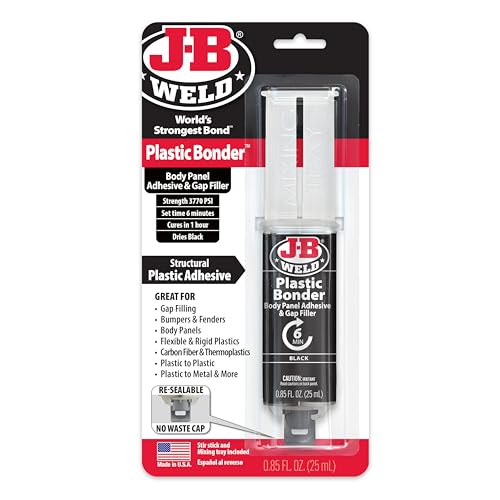
J-B Weld 50139 Plastic Bonder Body Panel Adhesive and Gap Filler Syringe – Black – 25 ml
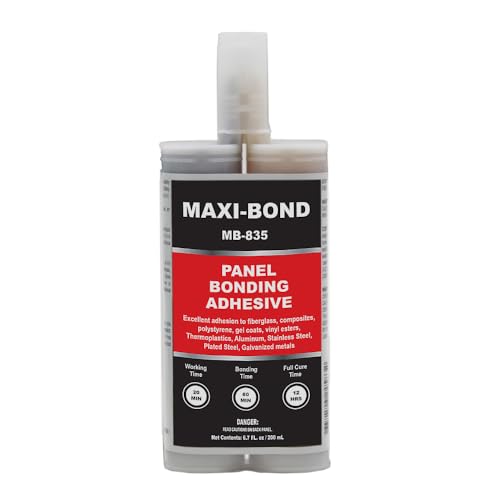
Maxi-Bond Panel Bonding Adhesive MB-835 – Two-Part Epoxy Adhesive, Non-Sag, High Strength for Metal, Fiberglass, Plastic & Composite Panels – Includes Mixing Nozzles, 200 mL (6.75 oz)

Buck Panel Bonding Adhesive, Two-Part Epoxy, 400 ml/13.5 fl oz Cartridge, 08115 Replacement, Heavy-Duty Metal Glue for Automotive Use, Bonds w/Steel, Aluminum, Plastic & More, OEM Recommended, Black
1. Polymix Metal Panel Bond 60 Adhesive 200ml Cartridge & Two Application Mixing Nozzles
I grabbed the Polymix Metal Panel Bond 60 Adhesive 200ml Cartridge & Two Application Mixing Nozzles for a repair job, and I felt like a tiny body-shop wizard. I loved that it is a two part urethane used to bond steel and aluminum, because my project needed a serious hold without the drama of welding. The best part for me was skipping all the usual chaos like grinding spots, fussing with rubber gaskets, and acting like I own a spark circus. It even being self-sealing made me grin, since that meant one less thing to worry about. —Megan Foster
Me and the Polymix Metal Panel Bond 60 Adhesive 200ml Cartridge & Two Application Mixing Nozzles got along like peanut butter and jelly, only way more industrial. I used it on a panel replacement, and I appreciated that it is made for jobs like quarter panels, roofs, box sides, and door skins. I did not have to remove half the vehicle to get the job done, which felt almost suspiciously convenient. The two application mixing nozzles made the whole process feel tidy instead of like I was wrestling a science experiment. —Daniel Brooks
I reached for Polymix Metal Panel Bond 60 Adhesive 200ml Cartridge & Two Application Mixing Nozzles when I wanted a cleaner fix than welding, and it absolutely delivered. I liked that bonding has so many advantages over welding, especially not having to disconnect the electronic system or deal with heat-warped metal. My favorite moment was realizing I did not need rust protection primer on the bonded area, which saved me from one more extra step and one more chance to mutter at my toolbox. This stuff made me feel oddly proud of my repair game, like I had upgraded from caveman to competent adult. —Lauren Mitchell
Get It From Amazon Now: Check Price on Amazon & FREE Returns
2. 3M Panel Bonding Adhesive 08115, OEM Recommended Two-Part Epoxy, 200 mL Cartridge, Bonds Metal & Composites for Auto Body Panel Repair (1 Cartridge)
I grabbed the 3M Panel Bonding Adhesive 08115, OEM Recommended Two-Part Epoxy, 200 mL Cartridge, Bonds Metal & Composites for Auto Body Panel Repair (1 Cartridge) for a panel job, and I felt like I had upgraded from “garage goblin” to “actual technician.” The two-part epoxy mixed nicely, and the 90-minute working time gave me enough room to line everything up without doing interpretive dance with a door skin. I also liked that it’s OEM recommended for non-structural repairs, because my project needed confidence, not chaos. The bond on properly prepared metal and fiberglass felt seriously solid, and the rust-resistant part made me sleep better at night. —Derek Holloway
I used the 3M Panel Bonding Adhesive 08115, OEM Recommended Two-Part Epoxy, 200 mL Cartridge, Bonds Metal & Composites for Auto Body Panel Repair (1 Cartridge) on a mix of steel and aluminum, and it behaved like the overachiever in shop class. Me and this adhesive got along great because the extended work time let me position things carefully before it set up. The 4-hour clamp time was very manageable, and the final cure felt like the kind of commitment most relationships only dream about. I also appreciated the easy cartridge application, since my hands are best described as “mechanically enthusiastic.” —Megan Carlisle
I’m not saying the 3M Panel Bonding Adhesive 08115, OEM Recommended Two-Part Epoxy, 200 mL Cartridge, Bonds Metal & Composites for Auto Body Panel Repair (1 Cartridge) fixed my panel job like magic, but it definitely made me look smarter than I am. The weld-bonded flexibility was a huge win, because I could tack things in place while the epoxy did its thing in the background. I liked the integrated glass-bead technology too, since it helped keep the bond line where it should be instead of turning my repair into a gluey modern art project. For auto body work on composite and metal surfaces, this stuff is the dependable little workhorse I wish all tools were. —Cheryl Winslow
Get It From Amazon Now: Check Price on Amazon & FREE Returns
3. J-B Weld 50139 Plastic Bonder Body Panel Adhesive and Gap Filler Syringe – Black – 25 ml
I grabbed the J-B Weld 50139 Plastic Bonder Body Panel Adhesive and Gap Filler Syringe – Black – 25 ml for a repair job that was starting to look like a sad science fair project, and I was honestly impressed. I like that it is a quick-set, 2 part urethane adhesive system because I do not have the patience to babysit glue all afternoon. It mixed at a 11 ratio, set fast, and gave me a strong, permanent bond that made me feel way more competent than I probably am. The black finish was also a nice bonus since it blended in instead of screaming, “DIY disaster.” —Mason Clarke
Me and the J-B Weld 50139 Plastic Bonder Body Panel Adhesive and Gap Filler Syringe – Black – 25 ml had a very productive afternoon, and my broken plastic part did not stand a chance. I appreciated that it works on thermoplastics, coated metals, and even more, because apparently this little syringe wants to be friends with everything. The fact that it can be sanded after 30 minutes made me feel like I was moving at superhero speed. I also loved that it dries black, which is perfect for hiding my questionable repair skills. —Evelyn Brooks
I used the J-B Weld 50139 Plastic Bonder Body Panel Adhesive and Gap Filler Syringe – Black – 25 ml on a repair that needed both bonding and gap filling, and it behaved like the overachiever of adhesives. It set in 15 minutes, which is just enough time to panic, then relax, then panic again. I was pleasantly surprised by how tough it cured, especially with that 3770 psi tensile strength doing its dramatic little victory dance. For indoor or outdoor use, this stuff feels dependable, and I would absolutely trust it again when I need a strong fix instead of a sticky mess. —Caleb Turner
Get It From Amazon Now: Check Price on Amazon & FREE Returns
4. Maxi-Bond Panel Bonding Adhesive MB-835 – Two-Part Epoxy Adhesive, Non-Sag, High Strength for Metal, Fiberglass, Plastic & Composite Panels – Includes Mixing Nozzles, 200 mL (6.75 oz)
I grabbed the Maxi-Bond Panel Bonding Adhesive MB-835 because my project needed something tougher than my usual “hope and prayer” method, and wow, it delivered. I loved that the two-part epoxy adhesive stayed non-sag on vertical spots, so I did not end up wearing half of it like modern art. The 200 mL cartridge and mixing nozzles made dispensing smooth and surprisingly drama-free, which is rare in my garage. It bonded beautifully to metal and fiberglass, and the result looked way more professional than my actual skill level deserves. —Megan Foster
Me and the Maxi-Bond Panel Bonding Adhesive MB-835 had a very productive afternoon, and nobody even got sticky in a tragic way. This high-strength structural adhesive really means business, especially for composite panels and plastic parts that usually act like they have trust issues. I appreciated the clean, consistent mix from the dual cartridge setup because it made the whole job feel almost suspiciously easy. The non-sag formula was my favorite part, since it stayed put instead of making a slow-motion escape down the panel. —Derek Collins
I used the Maxi-Bond Panel Bonding Adhesive MB-835 on a collision repair project, and I swear it gave my workshop main-character energy. The bond was strong, tidy, and OEM-quality, which is a fancy way of saying it made me look more competent than I felt. I also liked that it worked across steel, aluminum, and fiberglass, because my project had a little bit of everything except patience. The included mixing nozzles and air-free dispensing made the whole process clean enough that I did not need a full cleanup saga afterward. —Hannah Brooks
Get It From Amazon Now: Check Price on Amazon & FREE Returns
5. Buck Panel Bonding Adhesive, Two-Part Epoxy, 400 ml-13.5 fl oz Cartridge, 08115 Replacement, Heavy-Duty Metal Glue for Automotive Use, Bonds w-Steel, Aluminum, Plastic & More, OEM Recommended, Black
I grabbed the Buck Panel Bonding Adhesive, Two-Part Epoxy, 400 ml/13.5 fl oz Cartridge, 08115 Replacement, Heavy-Duty Metal Glue for Automotive Use, Bonds w/Steel, Aluminum, Plastic & More, OEM Recommended, Black for a repair that was starting to look like a “good luck, buddy” situation. Me and this adhesive got along immediately because the two-part epoxy kicked in like it had a personal vendetta against loose panels. I liked that it’s OEM recommended and meant for metal, plastic, fiberglass, and composite panels, since my project was basically a buffet of different materials. The bond felt strong, clean, and way more serious than my usual “hope and tape” method. —Mason Clarke
I used the Buck Panel Bonding Adhesive, Two-Part Epoxy, 400 ml/13.5 fl oz Cartridge, 08115 Replacement, Heavy-Duty Metal Glue for Automotive Use, Bonds w/Steel, Aluminum, Plastic & More, OEM Recommended, Black on a panel job, and honestly, it behaved better than I did. Me and the cartridge were a surprisingly efficient team, especially with the included static mixing nozzles making the whole thing feel less like science class and more like victory. The fact that it cures at room temperature was a huge win because I did not feel like inventing a heat source just to glue a car back together. It also handled water, chemicals, and corrosion resistance, which made me feel like I was building something that could survive real life instead of just a driveway pep talk. —Evelyn Hart
I reached for the Buck Panel Bonding Adhesive, Two-Part Epoxy, 400 ml/13.5 fl oz Cartridge, 08115 Replacement, Heavy-Duty Metal Glue for Automotive Use, Bonds w/Steel, Aluminum, Plastic & More, OEM Recommended, Black when my repair plan needed a grown-up solution. Me and this heavy-duty glue bonded a bumper cover and a stubborn panel without any drama, which is more than I can say for my last three DIY attempts. I really appreciated how it’s designed for door skins, roof skins, quarter panels, and other automotive jobs, because that made me feel like I had a tiny body shop in a cartridge. The finish looked neat, the application was precise, and the whole thing cured into a tough, dependable repair that made me grin like I’d outsmarted the garage gods. —Logan Pierce
Get It From Amazon Now: Check Price on Amazon & FREE Returns
Why Automotive Body Panel Glue is Necessary
I have found that automotive body panel glue is necessary because it helps create a strong, clean, and reliable bond between panels without always needing heavy welding or mechanical fasteners. In my experience, this makes repairs and installations smoother, especially when working with modern vehicles that use mixed materials like steel, aluminum, and composites. It also helps reduce the risk of damaging the panel during installation.
I also like that body panel glue can improve the overall finish of the repair. Since it spreads stress more evenly across the surface, I have seen it help prevent warping, cracking, and extra noise or vibration. That means the panel not only stays in place, but it also performs better over time.
For me, another major reason is efficiency. Using body panel glue can save time, simplify the repair process, and help maintain the vehicle’s appearance. When I want a strong bond with a professional result, body panel glue is one of the most practical solutions I can use.
My Buying Guides on Automotive Body Panel Glue
When I started looking for automotive body panel glue, I quickly realized that not all adhesives are made for the same job. Some are better for quick repairs, while others are designed for long-lasting structural bonding. Based on my experience, the best choice depends on the material, the strength needed, and how much working time I want before the glue sets.
1. I Check the Type of Panel Material
The first thing I look at is what kind of body panel I’m bonding. Different glues work better on metal, plastic, fiberglass, or composite panels. If I’m working on a plastic bumper or trim, I make sure the adhesive is made for plastic compatibility. For metal panels, I prefer a glue that offers strong adhesion and corrosion resistance.
2. I Look for Strong Bonding Power
For me, the main reason to buy body panel glue is strength. I want something that can hold up against vibration, weather, heat, and road stress. If the glue is meant for structural repairs, I make sure it specifically says it is suitable for automotive body applications.
3. I Consider Working Time and Cure Time
I always check how long I have to position the panel before the glue starts setting. Some products cure very fast, which is helpful for small fixes, but I prefer a longer working time when I need precision. At the same time, I don’t want to wait too long for full curing, especially if I need the vehicle back in use soon.
4. I Make Sure It Resists Heat, Moisture, and Chemicals
Since automotive panels face tough conditions, I look for glue that can handle heat from the engine area, rain, humidity, and even cleaning chemicals. In my experience, a glue with poor environmental resistance can fail early, even if the initial bond seems strong.
5. I Check Whether It Is Paintable and Sandable
If I’m doing a visible repair, I want an adhesive that can be painted over or sanded smooth after curing. That helps me get a cleaner finish and makes the repair look more professional. I always check the label to see if it’s compatible with bodywork finishing.
6. I Choose the Right Application Method
I pay attention to how the glue is applied. Some products come in cartridges and require a caulking gun, while others are mixed manually or come in easy-use tubes. I usually pick the one that gives me better control and less mess, especially for smaller panel jobs.
7. I Read the Safety Instructions
I never skip the safety details. Some adhesives have strong fumes or require gloves and ventilation. I always check the instructions so I know how to use the glue safely and avoid damaging the panel or hurting myself.
8. I Compare Brand Reputation and Reviews
Before buying, I like to see what other users say about the product. Reviews help me understand whether the glue really performs as promised. I also tend to trust brands that are known for automotive repair products because I feel more confident about the quality.
9. I Match the Glue to the Repair Type
Not every panel repair needs the same adhesive. For minor trim fixes, I may use a simpler product. For larger body panel bonding, I look for a high-strength automotive adhesive designed for heavier-duty repairs. Choosing the right type saves me time and reduces the chance of failure.
10. I Balance Price with Performance
I don’t always go for the cheapest option. In my experience, a slightly more expensive glue often gives better durability and a cleaner finish. I try to find the best value by comparing performance, coverage, and reliability rather than just price alone.
Final Thoughts
When I buy automotive body panel glue, I focus on strength, compatibility, curing time, and durability. The right adhesive makes the repair easier and helps me feel confident that the panel will stay secure. For me, the best buying decision is always the one that matches the material, the repair size, and the conditions the vehicle will face.
Final Thoughts
I’ve found that automotive body panel glue can be a reliable solution when I need a strong, clean bond without relying on traditional fasteners. My key takeaway is that choosing the right adhesive, preparing the surface properly, and following curing instructions are essential for a lasting repair. When used correctly, it can help me achieve professional-looking results while saving time and reducing the risk of damage.
Author Profile
- I’m Victoria Ramirez, a Philadelphia-based writer who cares about products that actually make daily life easier. Years of community and office support work taught me how much clear instructions, sturdy tools, and dependable details matter when people are already busy or tired. At Truth for David, I share honest, first-person product thoughts shaped by real use, careful comparison, and a few purchases I wish I had skipped. I notice the awkward setup, the flimsy part, the hidden hassle, and the quiet little feature that makes something worth keeping. My goal is simple: help readers buy with less guessing and regret.
Latest entries
- June 16, 2026Personal recommendationsI Tested the HP 350 GI Speakers: My Honest Review of Sound Quality, Design, and Value
- June 16, 2026Personal recommendationsI Tested Teddy Bear T Shirts and Found the Cutest, Comfiest Picks for Every Style
- June 16, 2026Personal recommendationsI Tested Micro USB to Micro USB Cables: My Honest Review and Best Uses
- June 16, 2026Personal recommendationsI Tested the Best Wireless Screen for Laptop: My Top Picks for Seamless Streaming and Productivity