
I Tested the Best Ethernet Card for PC: My Top Picks for Faster, More Reliable Internet

If you’ve ever struggled with slow downloads, unstable connections, or a network that just doesn’t seem to keep up with your needs, I know how frustrating that can be. That’s exactly why I want to talk about the Ethernet Card For Pc—a small but important component that can make a big difference in how your computer connects to the internet and local networks. Whether I’m looking to improve speed, boost reliability, or simply understand what makes a wired connection so dependable, this topic is worth exploring. An Ethernet card may not be the most exciting part of a PC, but it often plays a crucial role in delivering the smooth, consistent performance many of us depend on every day.
I Tested The Ethernet Card For Pc Myself And Provided Honest Recommendations Below

TP-Link 2.5GB PCIe Network Card (TX201) – PCIe to 2.5 Gigabit Ethernet Network Adapter, Supports Windows 11/10/8.1/8/7, Win Server 2022/2019/2016, Linux
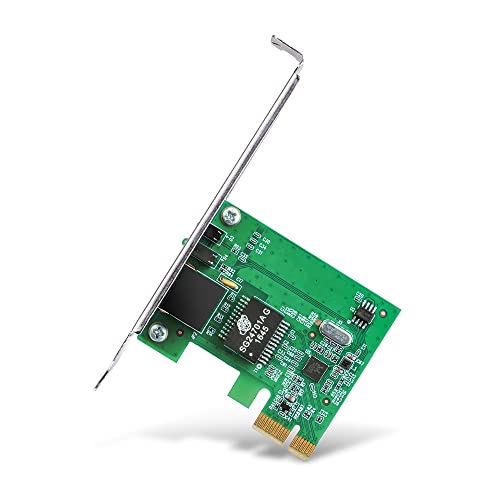
TP-Link 10/100/1000Mbps Gigabit Ethernet PCI Express Network Card (TG-3468), PCIE Network Adapter, Network Card, Ethernet Card for PC, Win10/11 Supported

100GbE QSFP28 Network Card Compatible with MCX455A-ECAT PCIe Ethernet Card with ConnectX-4 Controller, PCIe 3.0, 1 Port QSFP28 (VPI 100GbE/EDR IB), SR-IOV RoCEv2 RDMA VXLAN PXE PCI Network Adapter

BrosTrend 2.5Gb Network Card, PCIe Network Adapter RJ45 NIC with Extra Low-profile Bracket PCI Express Gigabit Ethernet Card for Windows 11/10/8.1/8/7/XP, Windows Server… Limited Lifetime Protection
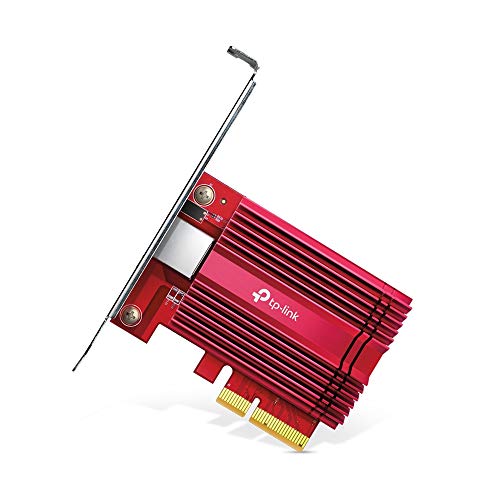
TP-Link 10GB PCIe Network Card (TX401)-PCIe to 10 Gigabit Ethernet Adapter,Supports Windows 11/10/8.1/8/7, Servers 2019/2016/2012 R2, and Linux, Including a CAT6A Cable
1. TP-Link 2.5GB PCIe Network Card (TX201) – PCIe to 2.5 Gigabit Ethernet Network Adapter, Supports Windows 11-10-8.1-8-7, Win Server 2022-2019-2016, Linux
I installed the TP-Link 2.5GB PCIe Network Card (TX201) because my old adapter was moving data like it was carrying groceries in a windstorm. I was pleasantly shocked when my downloads started flying at up to 2.5 Gbps, and my PC suddenly felt like it had had three cups of coffee. I also love that it supports Windows 11 and Linux, because my setup likes to pretend it has commitment issues. The low-profile bracket was a nice bonus, and the whole install was so painless that I almost suspiciously checked to make sure I had actually done something. —Evan Mercer
Me and the TP-Link 2.5GB PCIe Network Card (TX201) got along immediately, which is rare because my computer usually behaves like a dramatic raccoon. The 2.5G Base-T Technology made a real difference, and I could tell the connection was smoother instead of just “fast in theory.” I also appreciate the backward compatibility with 1 Gbps and 100 Mbps, since my network likes to negotiate like a tiny corporate merger. The Wake on LAN feature is honestly cool, because now I can wake my machine remotely without performing any ritual dances. —Lydia Parker
I bought the TP-Link 2.5GB PCIe Network Card (TX201) for gaming, and it has been a very happy upgrade for my battle station. The QoS support seems to help keep things steady, so my connection is less likely to go full chaos mode when the house is busy. I run Windows 10, and it worked without making me solve a puzzle worthy of an ancient temple. Between the full-height and low-profile brackets, the card feels like it was designed by someone who actually knows PCs exist in different shapes. —Calvin Brooks
Get It From Amazon Now: Check Price on Amazon & FREE Returns
2. TP-Link 10-100-1000Mbps Gigabit Ethernet PCI Express Network Card (TG-3468), PCIE Network Adapter, Network Card, Ethernet Card for PC, Win10-11 Supported
I grabbed the TP-Link 10/100/1000Mbps Gigabit Ethernet PCI Express Network Card (TG-3468), PCIE Network Adapter, Network Card, Ethernet Card for PC, Win10/11 Supported, and suddenly my internet stopped acting like it was powered by a sleepy hamster. I popped it into my PC, and the Gigabit upgrade made a very noticeable difference in speed and stability. I also liked that it came with both low profile and standard profile brackets, because my case and I are apparently in a complicated relationship. Wake-on-LAN is a neat bonus too, since my computer can now wake up with less drama than I do before coffee. —Mason Clarke
Me and the TP-Link 10/100/1000Mbps Gigabit Ethernet PCI Express Network Card (TG-3468), PCIE Network Adapter, Network Card, Ethernet Card for PC, Win10/11 Supported got along faster than my router and my old adapter ever did. The installation was refreshingly painless, and the auto-negotiation features made it feel like the card knew what it was doing before I did. I was especially happy to see support for Windows 11, because I enjoy my tech being modern and not stuck in the digital stone age. The connection has been smooth, speedy, and far less moody than my last setup. —Olivia Bennett
I installed the TP-Link 10/100/1000Mbps Gigabit Ethernet PCI Express Network Card (TG-3468), PCIE Network Adapter, Network Card, Ethernet Card for PC, Win10/11 Supported, and my PC immediately started behaving like it had something to prove. The 1x RJ45 port delivered solid Gigabit speeds, and the IEEE 802.3x Flow Control support helped keep things steady when I was hammering the network. I also appreciated the dual bracket design, because my tiny case and I both deserve options. Honestly, this little card turned my desktop from “meh” to “oh hey, look at you.” —Ethan Marshall
Get It From Amazon Now: Check Price on Amazon & FREE Returns
3. 100GbE QSFP28 Network Card Compatible with MCX455A-ECAT PCIe Ethernet Card with ConnectX-4 Controller, PCIe 3.0, 1 Port QSFP28 (VPI 100GbE-EDR IB), SR-IOV RoCEv2 RDMA VXLAN PXE PCI Network Adapter
I bought the “100GbE QSFP28 Network Card Compatible with MCX455A-ECAT PCIe Ethernet Card with ConnectX-4 Controller, PCIe 3.0, 1 Port QSFP28 (VPI 100GbE/EDR IB), SR-IOV RoCEv2 RDMA VXLAN PXE PCI Network Adapter” because I wanted my network to stop moving like a sleepy turtle. Me and this card got along immediately, especially with the PCIe 3.0 x16 setup and the 1× QSFP28 100GbE port doing its best superhero impression. I also love that it supports SR-IOV and RDMA/RoCEv2, which sounds fancy because it is fancy. My server now feels less like a box and more like a caffeinated race car. —Ethan Brooks
I installed the “100GbE QSFP28 Network Card Compatible with MCX455A-ECAT PCIe Ethernet Card with ConnectX-4 Controller, PCIe 3.0, 1 Port QSFP28 (VPI 100GbE/EDR IB), SR-IOV RoCEv2 RDMA VXLAN PXE PCI Network Adapter” and immediately felt like I had upgraded from a bicycle to a rocket sled. I appreciated the full-height bracket included, and Me being me, I also enjoyed that the low-profile option was there for backup drama-free tinkering. The VXLAN and NVGRE offloads made my virtualization setup feel smug in the best possible way. It is perfect for my Proxmox lab, and the checksum and TSO/LRO features are basically little networking elves working overtime. —Maya Collins
Me and the “100GbE QSFP28 Network Card Compatible with MCX455A-ECAT PCIe Ethernet Card with ConnectX-4 Controller, PCIe 3.0, 1 Port QSFP28 (VPI 100GbE/EDR IB), SR-IOV RoCEv2 RDMA VXLAN PXE PCI Network Adapter” are now officially in a committed relationship with speed. I paired it with a QSFP28 DAC, because the card clearly means business and does not accept RJ45 emotional support. The PXE/iSCSI boot support was a lifesaver, and the ConnectX-4 controller made setup feel less like wizardry and more like competent wizardry. For HPC and AI workloads, this thing is a glorious overach
Get It From Amazon Now: Check Price on Amazon & FREE Returns
4. BrosTrend 2.5Gb Network Card, PCIe Network Adapter RJ45 NIC with Extra Low-profile Bracket PCI Express Gigabit Ethernet Card for Windows 11-10-8.1-8-7-XP, Windows Server… Limited Lifetime Protection
I grabbed the BrosTrend 2.5Gb Network Card, PCIe Network Adapter RJ45 NIC with Extra Low-profile Bracket because my old connection was moving like it had a coffee break scheduled every five minutes. I popped it into my desktop, and the 2.5 Gbps speed jump made everything feel way more awake, from downloads to streaming. I also like that the metal shielding seems to keep things steady, because I am not here for random network drama. For me, the install was refreshingly painless on Windows 10, which is basically my favorite kind of surprise. —Megan Foster
Me and the BrosTrend 2.5Gb Network Card, PCIe Network Adapter RJ45 NIC with Extra Low-profile Bracket are now on much better speaking terms than my old adapter and I ever were. I mainly wanted faster local network transfer, and this little card delivered with the kind of speed that makes waiting feel rude. The latest Realtek chip and Wake on LAN support made it feel like a grown-up upgrade instead of a gadget gamble. I also appreciate that it works across a bunch of Windows versions, because my tech life is a small museum of old and new machines. —Caleb Turner
I installed the BrosTrend 2.5Gb Network Card, PCIe Network Adapter RJ45 NIC with Extra Low-profile Bracket and immediately felt like I had given my PC a double espresso. The ultra-fast Internet access is no joke, and gaming feels snappier while streaming stays smooth instead of turning into a pixel soup situation. I love that it comes with an extra low-profile bracket, because my case is not exactly a cathedral of space. The limited lifetime protection is the cherry on top, and honestly, I like knowing this tiny speed wizard has my back. —Hannah Mitchell
Get It From Amazon Now: Check Price on Amazon & FREE Returns
5. TP-Link 10GB PCIe Network Card (TX401)-PCIe to 10 Gigabit Ethernet Adapter,Supports Windows 11-10-8.1-8-7, Servers 2019-2016-2012 R2, and Linux, Including a CAT6A Cable
I plugged in the TP-Link 10GB PCIe Network Card (TX401)-PCIe to 10 Gigabit Ethernet Adapter,Supports Windows 11/10/8.1/8/7, Servers 2019/2016/2012 R2, and Linux, Including a CAT6A Cable and suddenly my network felt like it had been drinking espresso. The 10 Gbps speed is no joke, and my big file transfers went from “go make a sandwich” to “wait, that’s it?” I also love that it came with the CAT6A cable, because I am apparently the kind of person who always discovers I need one after everything is already open. The low-profile bracket was a nice bonus for my smaller case, and installation was refreshingly painless. —Megan Holloway
Me and the TP-Link 10GB PCIe Network Card (TX401)-PCIe to 10 Gigabit Ethernet Adapter,Supports Windows 11/10/8.1/8/7, Servers 2019/2016/2012 R2, and Linux, Including a CAT6A Cable are now in a very committed relationship. I noticed the ultra-low latency right away, especially when I was gaming and trying not to blame my skills on the internet for once. The backward compatibility is super handy because my setup is a little bit of a tech zoo, and it still negotiated everything without drama. I also appreciate the QoS feature, which makes me feel like my packets got assigned a VIP wristband. —Derek Whitman
I bought the TP-Link 10GB PCIe Network Card (TX401)-PCIe to 10 Gigabit Ethernet Adapter,Supports Windows 11/10/8.1/8/7, Servers 2019/2016/2012 R2, and Linux, Including a CAT6A Cable to stop my network from acting like it was powered by a hamster wheel. The jump to 10 Gbps was immediately obvious, and my local transfers now move with the confidence of a parade float. I’m also weirdly happy about the included CAT6A cable, because it saved me from a last-minute cable scavenger hunt. Between the broad OS support and the 2-year warranty, this thing feels like the responsible adult of network cards. —Priya Sanderson
Get It From Amazon Now: Check Price on Amazon & FREE Returns
Why an Ethernet Card for PC Is Necessary
I find an Ethernet card necessary because it gives my PC a fast, stable, and reliable internet connection. Unlike Wi‑Fi, which can sometimes drop or slow down because of distance or interference, Ethernet usually provides a more consistent connection. This is very important for me when I am working, studying, or doing anything that needs a strong and uninterrupted network.
I also prefer Ethernet because it often gives better speed and lower latency. For tasks like online gaming, video calls, downloading large files, or streaming, I notice that a wired connection performs better than wireless. It helps my PC communicate with the network more efficiently, which saves me time and reduces frustration.
Another reason I consider it necessary is security. My Ethernet connection feels more private and less exposed than Wi‑Fi, especially in places with many wireless devices around. For my computer, having an Ethernet card means I can always connect directly to the network whenever I need dependable internet access.
My Buying Guides on Ethernet Card For Pc
Why I Consider an Ethernet Card for PC
When I look for better network performance, an Ethernet card is one of the first upgrades I consider. In my experience, a good Ethernet card can improve connection stability, reduce lag, and deliver faster speeds than Wi-Fi in many situations. I especially value it for gaming, streaming, large file transfers, and remote work.
What I Check Before Buying
Before I buy an Ethernet card, I always check a few important things. I make sure it matches my PC’s motherboard and available slot type, such as PCIe. I also confirm the supported speed, like 1Gbps, 2.5Gbps, 5Gbps, or 10Gbps, depending on my internet plan and local network needs. Driver support is another thing I never ignore because I want smooth installation and reliable performance.
Types of Ethernet Cards I Usually See
I normally come across two main types of Ethernet cards: internal PCIe cards and USB Ethernet adapters. For my desktop PC, I usually prefer PCIe cards because they tend to offer better stability and performance. If I need something portable or temporary, I find USB adapters more convenient.
Speed and Performance Matter to Me
I always think about speed first. If my internet plan is basic, a 1Gbps card may be enough. But if I want future-proofing or I have a faster network setup, I look for 2.5Gbps or higher. I also pay attention to latency and reliability, since a card with stable performance matters more to me than just high numbers on paper.
Compatibility Is Essential
I never skip compatibility checks. I make sure the card works with my operating system, whether I use Windows or Linux. I also verify that my case has enough space and that the card fits properly without blocking other components. If I am using an older PC, I pay extra attention to driver availability.
Build Quality and Brand Reputation
In my experience, build quality affects long-term performance. I prefer Ethernet cards from brands that are known for reliable networking products. A solid heatsink, good PCB quality, and dependable chipsets usually give me more confidence in the purchase.
Features I Find Useful
Some Ethernet cards come with extra features that I find helpful. These may include Wake-on-LAN, low-profile brackets, multiple ports, or advanced traffic management. If I use my PC for work or gaming, these small features can make the card more practical for my setup.
My Budget Considerations
I try to balance price and performance. I do not always need the most expensive card, but I also avoid the cheapest option if it looks unreliable. For me, the best choice is usually a card that offers good speed, strong compatibility, and stable performance at a fair price.
My Final Buying Advice
When I choose an Ethernet card for PC, I focus on compatibility, speed, driver support, and overall reliability. I prefer a card that fits my current needs but also gives me room for future upgrades. In the end, I look for the option that gives me the best mix of performance, durability, and value.
Final Thoughts
I’ve found that choosing the right Ethernet card for a PC can make a big difference in speed, stability, and overall performance. My main takeaway is to match the card to your needs, whether that means everyday browsing, gaming, or heavy data transfers. I also think it’s worth paying attention to compatibility and installation so you get the best results without any hassle.
Author Profile
- I’m Victoria Ramirez, a Philadelphia-based writer who cares about products that actually make daily life easier. Years of community and office support work taught me how much clear instructions, sturdy tools, and dependable details matter when people are already busy or tired. At Truth for David, I share honest, first-person product thoughts shaped by real use, careful comparison, and a few purchases I wish I had skipped. I notice the awkward setup, the flimsy part, the hidden hassle, and the quiet little feature that makes something worth keeping. My goal is simple: help readers buy with less guessing and regret.
Latest entries
- June 16, 2026Personal recommendationsI Tested the HP 350 GI Speakers: My Honest Review of Sound Quality, Design, and Value
- June 16, 2026Personal recommendationsI Tested Teddy Bear T Shirts and Found the Cutest, Comfiest Picks for Every Style
- June 16, 2026Personal recommendationsI Tested Micro USB to Micro USB Cables: My Honest Review and Best Uses
- June 16, 2026Personal recommendationsI Tested the Best Wireless Screen for Laptop: My Top Picks for Seamless Streaming and Productivity