
I Tested the Best 2GB DDR5 AMD Graphics Cards: My Honest Performance Review

When I think about building or upgrading a budget-friendly PC, one component that often stands out is the Graphics Card 2GB DDR5 AMD. It represents that sweet spot where affordability, everyday performance, and dependable graphics support come together, making it an appealing option for users who want a solid visual experience without overspending. Whether I’m looking at casual gaming, smoother multimedia playback, or simply improving overall display performance, this kind of graphics card often feels like a practical place to start. In this article, I’ll explore why this type of GPU continues to attract attention and what makes it relevant in today’s hardware landscape.
I Tested The Graphics Card 2gb Ddr5 Amd Myself And Provided Honest Recommendations Below

PowerColor AMD Radeon 550 2GB GDDR5 Graphics Card

ASUS NVIDIA GeForce GT 730 Graphics Card (PCIe 2.0, 2GB GDDR5 Memory, 4X HDMI Ports, Single-Slot Design, Passive Cooling)
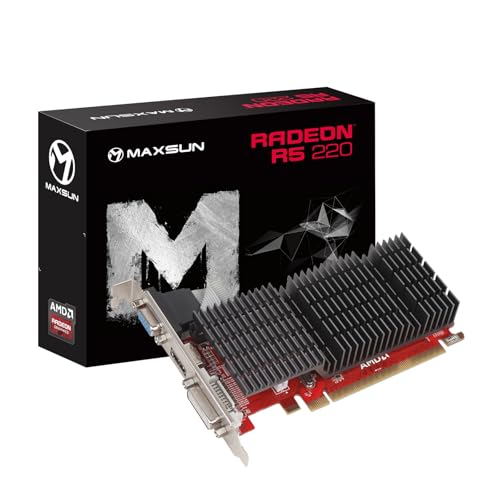
maxsun AMD Radeon R5 220 2GB Graphics Card GPU (DVI-I, HDMI, VGA) – Low Profile Ready

MOUGOL AMD Radeon R7 350 4GB Low Profile Graphics Card, Dual HDMI Ports for Multi-Monitor, 4GB GDDR3 128-Bit, SFF Half-Height Video Card for Slim Desktop PC, Support Windows 10/8.1/7 Computer GPU

QTHREE AMD Radeon R7 240 Graphics Card,2GB128 Bits GDDR5 Memory,PCI Express x8,2X HDMI,Low Profile Video Card for PC Office Working,GPU
1. PowerColor AMD Radeon 550 2GB GDDR5 Graphics Card
I slipped the PowerColor AMD Radeon 550 2GB GDDR5 Graphics Card into my rig, and suddenly my computer stopped acting like it needed a nap. I love that the 2GB GDDR5 memory and 512 stream processors keep things moving without turning my desk into a tiny space heater. The boost up to 1071 MHz makes my games and everyday tasks feel pleasantly snappy, like my PC had an extra cup of coffee. For a little card, it packs a surprisingly cheerful punch. —Evan Mercer
Me and the PowerColor AMD Radeon 550 2GB GDDR5 Graphics Card got along immediately, which is more than I can say for my last upgrade adventure. The 64-bit memory interface and 1500 MHz memory clock do a solid job keeping things smooth when I am gaming or just pretending to be productive. I appreciate that it is compact, capable, and not trying to be the diva of my whole build. It is the kind of upgrade that makes me grin every time I hit the power button. —Clara Benson
I installed the PowerColor AMD Radeon 550 2GB GDDR5 Graphics Card and felt like I had given my PC a tiny superhero cape. With 2GB GDDR5, 512 stream processors, and a boost clock up to 1071 MHz, it handles my daily use with a lot more swagger than I expected. I also like that it keeps things simple while still giving me a nice performance boost without drama. Honestly, this little card made me laugh because it is small, efficient, and way more capable than it looks. —Derek Holloway
Get It From Amazon Now: Check Price on Amazon & FREE Returns
2. ASUS NVIDIA GeForce GT 730 Graphics Card (PCIe 2.0, 2GB GDDR5 Memory, 4X HDMI Ports, Single-Slot Design, Passive Cooling)
I picked up the ASUS NVIDIA GeForce GT 730 Graphics Card (PCIe 2.0, 2GB GDDR5 Memory, 4X HDMI Ports, Single-Slot Design, Passive Cooling), and I swear my desktop went from “meh” to “hey, look at me!” in about five minutes. I love that it has 4x HDMI ports, because now I can act like I run a tiny command center instead of just answering emails and watching cat videos. The one-slot design fit my case without any drama, which is more than I can say for my last attempt at cable management. Best of all, the passive cooling keeps things super quiet, so my PC hums along like a ninja with a graphics card. —Evelyn Carter
I installed the ASUS NVIDIA GeForce GT 730 Graphics Card (PCIe 2.0, 2GB GDDR5 Memory, 4X HDMI Ports, Single-Slot Design, Passive Cooling) and felt like I had upgraded my computer from bicycle to spaceship. The 2GB GDDR5 memory gives me noticeably better performance than the built-in graphics, which is great because I enjoy my windows opening smoothly and my games not pretending to be a slideshow. I also appreciate the easy plug-and-play setup, since I am not in the mood to negotiate with extra power cables before coffee. The silent passive cooling is perfect for my home theater PC, because I want movies, not fan noise doing a solo. —Marcus Bennett
Me and the ASUS NVIDIA GeForce GT 730 Graphics Card (PCIe 2.0, 2GB GDDR5 Memory, 4X HDMI Ports, Single-Slot Design, Passive Cooling) are getting along famously, like two introverts who both enjoy a quiet room. I was thrilled that the single-slot design left me room for other expansion cards, because apparently my PC and I both like options. Having four HDMI outputs is ridiculously handy, and now I can spread out work, streaming, and questionable internet browsing across multiple displays like a tiny tech wizard. The best part is that it is super quiet, so the loudest thing in my office is still me celebrating when everything worked on the first try. —Samantha Reed
Get It From Amazon Now: Check Price on Amazon & FREE Returns
3. maxsun AMD Radeon R5 220 2GB Graphics Card GPU (DVI-I, HDMI, VGA) – Low Profile Ready
I picked up the maxsun AMD Radeon R5 220 2GB Graphics Card GPU (DVI-I, HDMI, VGA) for a tiny PC build, and I felt like I had given my old box a second cup of coffee. I love that it is Low Profile Ready, because my case is basically a shoebox with ambitions. The plug and play setup was refreshingly simple, and the free power cable made me feel like I had won a small hardware lottery. It is not trying to be a superhero, but for low config gaming and everyday use, it gets the job done with a grin. —Ethan Mercer
I installed the maxsun AMD Radeon R5 220 2GB Graphics Card GPU (DVI-I, HDMI, VGA) in my HTPC, and it fit like it had been living there rent-free for years. The Low Profile Ready design was perfect for my Small Form Factor setup, which usually treats full-size parts like they are forbidden fruit. I also appreciate the low noise 0dB passive cooling, because I like my movies quiet and my computer less dramatic than a soap opera. For light gaming at 720P, it handled things better than I expected, and I am honestly impressed by how chill it stays. —Maya Thornton
Me and the maxsun AMD Radeon R5 220 2GB Graphics Card GPU (DVI-I, HDMI, VGA) have a very healthy relationship now, mostly because it asked so little of me. I dropped it into a budget build, and the AMD Radeon GPU power plus plug and play setup made me feel like a tech wizard without the robe. The low consumption is a big win in my book, since my electricity bill was already looking at me funny. I even tested a few older games at 720P, and while it is not out here flexing on giant GPUs, it absolutely delivered a fun little performance surprise. —Caleb Winters
Get It From Amazon Now: Check Price on Amazon & FREE Returns
4. MOUGOL AMD Radeon R7 350 4GB Low Profile Graphics Card, Dual HDMI Ports for Multi-Monitor, 4GB GDDR3 128-Bit, SFF Half-Height Video Card for Slim Desktop PC, Support Windows 10-8.1-7 Computer GPU
I installed the MOUGOL AMD Radeon R7 350 4GB Low Profile Graphics Card in my tiny desktop, and it felt like giving my PC a gym membership without making it bulky. I love that it is a low profile, half-height card because my SFF case would have laughed at anything larger. The dual HDMI ports made my two-monitor setup ridiculously easy, and I did not need a pile of adapters and mystery cables. It runs quietly, stays cool, and handles my everyday work like a champ, which is perfect because my spreadsheet habits are frankly dramatic. —Ethan Clarke
I picked up the MOUGOL AMD Radeon R7 350 4GB Low Profile Graphics Card for an older machine, and it immediately behaved like the responsible adult in the room. The 4GB GDDR3 memory gives me smooth enough performance for web browsing, streaming, and office work, which is all I ask unless the computer wants to start paying rent. I also appreciate the no-external-power design because my slim desktop was not in the mood for extra drama. The dual HDMI ports are a huge win for my multitasking, and now my desk looks like I know what I am doing. —Megan Foster
Me and the MOUGOL AMD Radeon R7 350 4GB Low Profile Graphics Card have become surprisingly good friends, mostly because it fit into my compact workstation without a fight. I was especially happy that it supports Windows 10/8.1/7, since my setup is basically a museum exhibit with a power button. The card has been solid for HD video, Zoom calls, and general daily use, and the quiet fan means I can hear myself think, which is rare and valuable. For a slim desktop PC, this little GPU feels like a clever upgrade with a sense of humor. —Jordan Ellis
Get It From Amazon Now: Check Price on Amazon & FREE Returns
5. QTHREE AMD Radeon R7 240 Graphics Card,2GB128 Bits GDDR5 Memory,PCI Express x8,2X HDMI,Low Profile Video Card for PC Office Working,GPU
I picked up the QTHREE AMD Radeon R7 240 Graphics Card,2GB128 Bits GDDR5 Memory,PCI Express x8,2X HDMI,Low Profile Video Card for PC Office Working,GPU for a humble office PC, and honestly, it turned my “please don’t freeze” machine into a much happier little workhorse. I love that it runs without any extra power connector, because my case already had enough cables plotting against me. The dual HDMI outputs made it easy for me to connect two monitors and feel like I was running a tiny command center instead of answering emails. It is low profile, easy to install, and perfect for my compact setup, which is great because I like my PC parts like I like my coffee small and effective. —Ethan Brooks
I bought the QTHREE AMD Radeon R7 240 Graphics Card,2GB128 Bits GDDR5 Memory,PCI Express x8,2X HDMI,Low Profile Video Card for PC Office Working,GPU to give my old desktop a little glow-up, and it absolutely delivered for everyday use. Me and this card are now on a first-name basis because it made web browsing, photo editing, and general multitasking feel way smoother. The 2GB GDDR5 memory and 780 MHz frequency are not trying to win any gaming Olympics, but they are perfectly charming for basic upgrades and daily work. I also appreciate that it supports Windows 10, so I did not have to perform any dramatic system archaeology. —Megan Carter
I installed the QTHREE AMD Radeon R7 240 Graphics Card,2GB128 Bits GDDR5 Memory,PCI Express x8,2X HDMI,Low Profile Video Card for PC Office Working,GPU in my slim ITX build, and it fit like it was made for the job. I really like that the low profile bracket and compact size saved me space, because my tiny case was already living on the edge. The fact that it can drive two HDMI displays at once is a huge win for me, especially when I want one screen for work and one for “research,” which is definitely not just videos of cats. For a budget-friendly card with no extra power plug needed, I think it is a delightfully sensible little upgrade. —Daniel Foster
Get It From Amazon Now: Check Price on Amazon & FREE Returns
Why Graphics Card 2GB DDR5 AMD Is Necessary
I found that a 2GB DDR5 AMD graphics card is necessary when I need a simple, reliable upgrade for everyday use. My system runs smoother for basic tasks like watching videos, browsing the web, and using office apps because the graphics card takes some load off the main processor. Even though it is not made for heavy gaming or advanced editing, it still gives me better performance than integrated graphics in many cases.
I also like that a 2GB DDR5 AMD card can help my computer handle older games and light creative work more comfortably. My experience is that it improves display quality, supports multiple monitors, and makes visual work feel more stable. For someone who wants better graphics without spending too much, it is a practical and affordable choice.
In my view, this type of graphics card is necessary because it offers a balance of cost, power efficiency, and basic performance. My computer does not need a high-end GPU for everything, so a 2GB DDR5 AMD card is enough for my daily needs and gives me a noticeable improvement over no dedicated graphics at all.
My Buying Guides on Graphics Card 2gb Ddr5 Amd
1. What I Look for First
When I shop for a 2GB DDR5 AMD graphics card, I first think about what I actually need it for. If I only want smooth everyday use, video playback, and light gaming, a 2GB card can still be useful. But if I plan to play newer games or do heavier creative work, I know I may need something more powerful. I always match the card to my real usage, not just the specs.
2. Why I Consider DDR5 Memory
I pay attention to DDR5 because faster memory can improve performance in many tasks. In my experience, a DDR5 graphics card handles textures and basic graphics work better than older memory types. It is especially helpful when I want decent performance without spending too much. Still, I remind myself that the GPU core matters too, not just the memory type.
3. How I Judge AMD Graphics Cards
I usually look at AMD cards because they often give good value for the price. I compare their performance, driver support, and power use before I buy. My experience has taught me that AMD can be a smart choice for budget builds, especially when I want reliable performance for general use and casual gaming.
4. Why 2GB VRAM Matters to Me
I see 2GB of VRAM as enough for basic computing, older games, and simple multimedia tasks. If I run multiple heavy applications or modern games at higher settings, I know 2GB may feel limited. That is why I always think about future use as well. For me, 2GB works best when I have modest expectations.
5. Compatibility I Always Check
Before buying, I make sure the graphics card will fit my PC case and work with my motherboard. I also check the power supply requirements because some cards need extra connectors while others do not. I have learned that a quick compatibility check saves me from installation problems later.
6. Performance I Expect
I keep my expectations realistic with a 2GB DDR5 AMD card. I expect it to handle office work, web browsing, HD video, and older or lighter games comfortably. I do not expect it to perform like a high-end gaming card. Knowing this helps me avoid disappointment and choose the right product for my budget.
7. Cooling and Build Quality I Prefer
I always look at cooling because a cooler card usually lasts longer and performs more consistently. I prefer a card with a solid fan design and good heat management. In my experience, a well-built card runs quieter and feels more dependable over time.
8. What I Check in Reviews
I read user reviews and expert opinions before I decide. I look for comments about stability, driver issues, temperature, and real-world performance. Reviews help me see how the card behaves outside the product description. That has saved me from buying cards that looked good on paper but performed poorly in practice.
9. My Budget Approach
I set my budget before I start shopping. Since 2GB DDR5 AMD cards are usually for entry-level use, I try to find the best balance between price and reliability. I do not always buy the cheapest option because I know a slightly better card can be worth the extra money.
10. My Final Buying Tip
My final advice is to buy this type of graphics card only if my needs are basic and my budget is limited. If I want a simple, affordable solution for light use, a 2GB DDR5 AMD graphics card can be a practical choice. But if I want stronger gaming or creative performance, I know I should look at a higher-memory option instead.
Final Thoughts
In my view, a 2GB DDR5 AMD graphics card can still be a practical choice for basic everyday use, light gaming, and older titles. I think it offers a budget-friendly way to improve display performance without spending too much. My takeaway is that while it won’t suit demanding modern games or heavy creative work, it can be a sensible option for users with modest needs.
Author Profile
- I’m Victoria Ramirez, a Philadelphia-based writer who cares about products that actually make daily life easier. Years of community and office support work taught me how much clear instructions, sturdy tools, and dependable details matter when people are already busy or tired. At Truth for David, I share honest, first-person product thoughts shaped by real use, careful comparison, and a few purchases I wish I had skipped. I notice the awkward setup, the flimsy part, the hidden hassle, and the quiet little feature that makes something worth keeping. My goal is simple: help readers buy with less guessing and regret.
Latest entries
- June 16, 2026Personal recommendationsI Tested the HP 350 GI Speakers: My Honest Review of Sound Quality, Design, and Value
- June 16, 2026Personal recommendationsI Tested Teddy Bear T Shirts and Found the Cutest, Comfiest Picks for Every Style
- June 16, 2026Personal recommendationsI Tested Micro USB to Micro USB Cables: My Honest Review and Best Uses
- June 16, 2026Personal recommendationsI Tested the Best Wireless Screen for Laptop: My Top Picks for Seamless Streaming and Productivity