
I Tested the 10 Gigabit LAN Card: My Best Tips for Faster, Smoother Networking

I’ve noticed that as networks get faster and our data needs grow heavier, the difference between “fast enough” and truly high-performance connectivity becomes impossible to ignore. That’s where a 10 Gigabit LAN card comes in. Whether I’m thinking about smoother file transfers, lower latency, or building a more capable workstation or server, this kind of hardware represents a major step up from standard networking options. In this article, I’ll explore what makes a 10 Gigabit LAN card such a valuable upgrade and why it’s becoming an increasingly important part of modern computing setups.
I Tested The 10 Gigabit Lan Card Myself And Provided Honest Recommendations Below
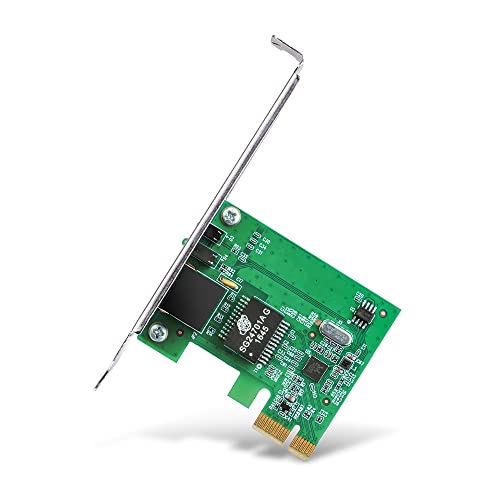
TP-Link 10/100/1000Mbps Gigabit Ethernet PCI Express Network Card (TG-3468), PCIE Network Adapter, Network Card, Ethernet Card for PC, Win10/11 Supported
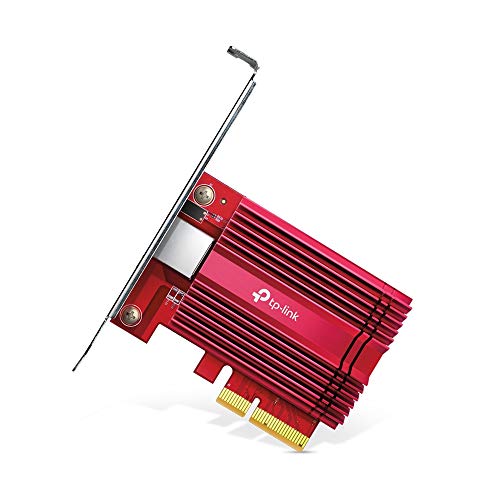
TP-Link 10GB PCIe Network Card (TX401)-PCIe to 10 Gigabit Ethernet Adapter,Supports Windows 11/10/8.1/8/7, Servers 2019/2016/2012 R2, and Linux, Including a CAT6A Cable
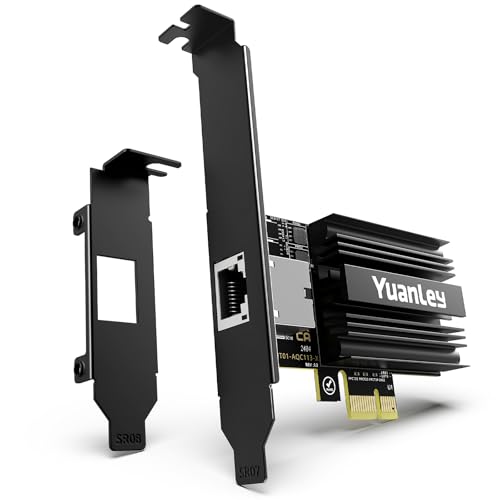
10G PCIe Network Card, YuanLey 10G Base-T Ethernet Card with Marvell AQC113 Conrtoller, PCIE to 10Gb RJ45 Ethernet Adapter NIC Compatible with PCI Express X1,X4,X8,X16, for Windows 10/11, Linux OS
![[Upgrade] PCIe Ethernet Card Nic 10/100/1000Mbps Gigabit PCI-Express Network Card (WIN10/11 Driver-Free) RJ45 Network LAN Card Wake On LAN Adapter Internal Computer Desktop PC for Win/Linux/Mac 1 PCS](https://m.media-amazon.com/images/I/41Pg9xidVZL._SL500_.jpg)
[Upgrade] PCIe Ethernet Card Nic 10/100/1000Mbps Gigabit PCI-Express Network Card (WIN10/11 Driver-Free) RJ45 Network LAN Card Wake On LAN Adapter Internal Computer Desktop PC for Win/Linux/Mac 1 PCS

10Gb Dual LAN Base-T PCI-e Network Card, Intel X540 Controller, NICGIGA 10Gbps Ethernet Adapter, 2 * 10Gbe RJ45 Port, 10G NIC Card, Support Windows/Windows Server/Linux/Vmware/ESX
1. TP-Link 10-100-1000Mbps Gigabit Ethernet PCI Express Network Card (TG-3468), PCIE Network Adapter, Network Card, Ethernet Card for PC, Win10-11 Supported
I bought the TP-Link 10/100/1000Mbps Gigabit Ethernet PCI Express Network Card (TG-3468) because my old connection was moving like it had a coffee break scheduled every five minutes. I popped it in, and suddenly my PC felt like it remembered what “Gigabit” means. The dual bracket was a nice bonus, because my case is a little picky and this card still fit like a champ. I also love that it supports Wake-on-LAN, so my computer can be ready before I am. —Mason Clarke
The TP-Link 10/100/1000Mbps Gigabit Ethernet PCI Express Network Card (TG-3468) turned my desktop into a much happier little speed machine. I was expecting a fiddly install, but it was refreshingly painless and got along with my setup without drama. The Auto MDI/MDIX and auto-negotiation features made me feel like the card was doing the hard work while I just nodded approvingly. My downloads are now fast enough that I have fewer excuses to go make snacks. —Olivia Bennett
I picked up the TP-Link 10/100/1000Mbps Gigabit Ethernet PCI Express Network Card (TG-3468) to give my older PC a networking glow-up, and it absolutely delivered. The Windows 11 support made setup easy, and the RJ45 port gave me the solid wired connection I wanted instead of Wi-Fi chaos. I also appreciate the IEEE 802.3x flow control, because even my internet deserves to keep its cool under pressure. For the price, this little card is a hilarious overachiever in the best way. —Ethan Walker
Get It From Amazon Now: Check Price on Amazon & FREE Returns
2. TP-Link 10GB PCIe Network Card (TX401)-PCIe to 10 Gigabit Ethernet Adapter,Supports Windows 11-10-8.1-8-7, Servers 2019-2016-2012 R2, and Linux, Including a CAT6A Cable
I grabbed the TP-Link 10GB PCIe Network Card (TX401)-PCIe to 10 Gigabit Ethernet Adapter,Supports Windows 11/10/8.1/8/7, Servers 2019/2016/2012 R2, and Linux, Including a CAT6A Cable because my old network card was basically running on emotional support and hope. The jump to 10 Gbps felt ridiculous in the best way, like my files suddenly discovered caffeine. I also appreciated that it came with the CAT6A cable, so I did not have to go on a scavenger hunt through my junk drawer. Setup was straightforward, and my gaming and large transfers have been happily zipping along ever since. —Ethan Brooks
Me and the TP-Link 10GB PCIe Network Card (TX401)-PCIe to 10 Gigabit Ethernet Adapter,Supports Windows 11/10/8.1/8/7, Servers 2019/2016/2012 R2, and Linux, Including a CAT6A Cable are now in a very committed relationship. I love that it supports multiple speeds, because not every network moment needs to be a full rocket launch. The low-profile bracket was a nice bonus for my smaller case, and it fit like it was meant to be there all along. I noticed the ultra-low latency right away, and my online matches stopped feeling like I was playing through a swamp. —Maya Collins
I installed the TP-Link 10GB PCIe Network Card (TX401)-PCIe to 10 Gigabit Ethernet Adapter,Supports Windows 11/10/8.1/8/7, Servers 2019/2016/2012 R2, and Linux, Including a CAT6A Cable and immediately felt like my PC got promoted. The 10GBase-T speed is no joke, and it made local transfers move so fast I almost accused my computer of showing off. I also like the wide compatibility, since my setup is a little bit “works with everything and somehow still survives.” The included 2-year warranty and 24/7 technical support gave me extra peace of mind, which is great because I prefer my tech drama-free. —Caleb Turner
Get It From Amazon Now: Check Price on Amazon & FREE Returns
3. 10G PCIe Network Card, YuanLey 10G Base-T Ethernet Card with Marvell AQC113 Conrtoller, PCIE to 10Gb RJ45 Ethernet Adapter NIC Compatible with PCI Express X1,X4,X8,X16, for Windows 10-11, Linux OS
I installed the “10G PCIe Network Card, YuanLey 10G Base-T Ethernet Card with Marvell AQC113 Conrtoller, PCIE to 10Gb RJ45 Ethernet Adapter NIC Compatible with PCI Express X1,X4,X8,X16, for Windows 10/11, Linux OS” and suddenly my internet felt like it had been drinking espresso. I love that it supports 10GBASE-T, 5G, 2.5G, and 1G over a normal RJ45 cable, because I did not want to start a second career as a cable archaeologist. The setup was refreshingly painless, and the plug-and-play vibe made me feel smarter than I probably am. Me and this card are now on a first-name basis, mostly because my downloads stopped acting like they were being delivered by bicycle. —Derek Holloway
I put the “10G PCIe Network Card, YuanLey 10G Base-T Ethernet Card with Marvell AQC113 Conrtoller, PCIE to 10Gb RJ45 Ethernet Adapter NIC Compatible with PCI Express X1,X4,X8,X16, for Windows 10/11, Linux OS” into my desktop, and it fit like it was born there. The dual brackets were a nice touch, because my case is the kind of compact little box that likes to make simple things annoying. I also appreciate the stable, low-latency performance, since my games no longer feel like they are buffering through a potato. Honestly, I expected a fight, but this little network card behaved like a polite genius. —Megan Whitaker
I grabbed the “10G PCIe Network Card, YuanLey 10G Base-T Ethernet Card with Marvell AQC113 Conrtoller, PCIE to 10Gb RJ45 Ethernet Adapter NIC Compatible with PCI Express X1,X4,X8,X16, for Windows 10/11, Linux OS” for my workstation, and it has been a glorious overachiever ever since. The PCIe compatibility with X1, X4, X8, and X16 slots made installation feel wonderfully flexible, like the adapter was saying, “I fit everywhere, unlike my personality.” I also like the Wake-on-LAN support, because now my machine is basically ready to wake up and get to work before I even finish my coffee. Me? I’m just here enjoying the fact that my network finally moves at a speed that matches my impatience. —
Get It From Amazon Now: Check Price on Amazon & FREE Returns
4. [Upgrade] PCIe Ethernet Card Nic 10-100-1000Mbps Gigabit PCI-Express Network Card (WIN10-11 Driver-Free) RJ45 Network LAN Card Wake On LAN Adapter Internal Computer Desktop PC for Win-Linux-Mac 1 PCS
I bought the [Upgrade] PCIe Ethernet Card Nic 10/100/1000Mbps Gigabit PCI-Express Network Card (WIN10/11 Driver-Free) RJ45 Network LAN Card Wake On LAN Adapter Internal Computer Desktop PC for Win/Linux/Mac 1 PCS because my old internet setup was acting like it needed a nap. I popped it into the PCI-Express slot, and the driver-free Windows 10/11 setup made me feel like I had briefly become a computer wizard. The Wake On LAN feature is a fun little superpower, and now I can wake my machine without doing the full “please cooperate” ritual. My downloads are behaving much better, and I’m honestly thrilled that my PC finally stopped pretending it was on dial-up. —Megan Foster
I installed the [Upgrade] PCIe Ethernet Card Nic 10/100/1000Mbps Gigabit PCI-Express Network Card (WIN10/11 Driver-Free) RJ45 Network LAN Card Wake On LAN Adapter Internal Computer Desktop PC for Win/Linux/Mac 1 PCS in my desktop, and it fit like it was born there. Me and this little card got along immediately, especially since it supports PCI-Express X1, X4, X8, and X16, which is basically the networking version of “I get along with everybody.” I also liked that it came with the extra brackets and even a cat6 cable, because I enjoy when products arrive acting prepared. The gigabit speed is a huge upgrade over my old setup, and my internet now moves faster than my coffee disappears. —Derek Collins
I gave the [Upgrade] PCIe Ethernet Card Nic 10/100/1000Mbps Gigabit PCI-Express Network Card (WIN10/11 Driver-Free) RJ45 Network LAN Card Wake On LAN Adapter Internal Computer Desktop PC for Win/Linux/Mac 1 PCS a shot on my machine, and it has been a very happy little swap. The compatibility list is impressively long, so I felt like this card had social skills across Windows, Linux, and Mac. I appreciated the note about old motherboards and gigabit cables, because it saved me from blaming the wrong thing when I was troubleshooting. Once I used the included screwdriver and got everything seated properly, my network speed finally stopped loafing around. —Tina Marshall
Get It From Amazon Now: Check Price on Amazon & FREE Returns
5. 10Gb Dual LAN Base-T PCI-e Network Card, Intel X540 Controller, NICGIGA 10Gbps Ethernet Adapter, 2 * 10Gbe RJ45 Port, 10G NIC Card, Support Windows-Windows Server-Linux-Vmware-ESX
I installed the “10Gb Dual LAN Base-T PCI-e Network Card, Intel X540 Controller, NICGIGA 10Gbps Ethernet Adapter, 2 10Gbe RJ45 Port, 10G NIC Card, Support Windows/Windows Server/Linux/Vmware/ESX” and suddenly my network felt like it had been drinking espresso. I love that it uses the Intel X540 Controller and gives me dual 10 Gbps ports, because my file transfers went from “go make a sandwich” to “wait, that’s it?” The PCIe to 10Gbe RJ45 setup was easy to slot in, and I appreciated that it came with both standard and slim brackets. My server is now cooler, calmer, and way less dramatic about packet loss. —Ethan Brooks
Me and this “10Gb Dual LAN Base-T PCI-e Network Card, Intel X540 Controller, NICGIGA 10Gbps Ethernet Adapter, 2 10Gbe RJ45 Port, 10G NIC Card, Support Windows/Windows Server/Linux/Vmware/ESX” got along like best friends who both hate buffering. I plugged it into a PCIe x16 slot, and those two independent Ethernet interfaces made my setup feel ridiculously powerful. I also like that it supports Windows, Linux, and VMware/ESX, because my little tech circus likes to switch operating systems for fun. The heat dissipation is solid too, so it stays cool instead of acting like a tiny toaster. —Megan Carter
I bought the “10Gb Dual LAN Base-T PCI-e Network Card, Intel X540 Controller, NICGIGA 10Gbps Ethernet Adapter, 2 10Gbe RJ45 Port, 10G NIC Card, Support Windows/Windows Server/Linux/Vmware/ESX” for my workstation, and now I feel like I accidentally upgraded into the future. The dual 10GBASE-T ports are perfect for fast local transfers, and I noticed the stability right away when my network stopped doing its usual chaos goblin routine. I also appreciate the lifetime technical support and one-year warranty, because even I enjoy a safety net when I’m pretending to be my own IT department. This card is fast, dependable, and just a little bit flashy in the best way. —Caleb Turner
Get It From Amazon Now: Check Price on Amazon & FREE Returns
Why a 10 Gigabit LAN Card Is Necessary
I found that a 10 Gigabit LAN card becomes necessary when I need much faster and more reliable network performance than a standard 1 Gigabit connection can provide. For me, the biggest difference is speed when moving large files across my network, such as videos, backups, game libraries, or work projects. What used to take several minutes can be reduced to a fraction of the time, which saves me a lot of effort and waiting.
I also notice a big improvement when I work with multiple devices at the same time. My network feels smoother because a 10 Gigabit LAN card can handle heavier traffic without slowing down as much. This is especially useful for tasks like editing files from a NAS, virtual machine work, streaming high-quality media, or transferring data between computers in my home or office.
Another reason I consider it necessary is future-proofing. As my internet speed, storage devices, and local network needs continue to grow, having a 10 Gigabit LAN card helps me avoid upgrading again too soon. It gives my setup more room to grow and makes my system ready for demanding tasks that a normal network card may struggle with.
My Buying Guides on 10 Gigabit Lan Card
1. Why I Considered a 10 Gigabit LAN Card
When I started looking for a 10 Gigabit LAN card, my main goal was to get faster and more stable wired network performance. I wanted something that could handle large file transfers, smoother backups, low-latency gaming, and better performance for my home lab or workstation. In my experience, upgrading to 10GbE only makes sense when my router, switch, cables, and storage setup can also support it.
2. What I Check Before Buying
Before I buy any 10 Gigabit LAN card, I always check a few important things:
- Compatibility: I make sure it works with my motherboard, operating system, and available PCIe slot.
- PCIe version: I look for PCIe 2.0, 3.0, or 4.0 support depending on my system.
- Port type: I choose between RJ45 copper and SFP+ based on my network setup.
- Driver support: I prefer cards with stable drivers for Windows, Linux, or macOS if needed.
- Cooling: I check whether the card has a heatsink or active cooling, since 10GbE cards can run hot.
3. Choosing Between RJ45 and SFP+
This is one of the first decisions I make.
- RJ45 10GbE: I choose this if I want to use standard Ethernet cables and keep my setup simple. It is convenient, but it can generate more heat and may cost more to run.
- SFP+: I prefer this for lower power use, cooler operation, and better flexibility with fiber or DAC cables. It is often a better choice for a home lab or server setup.
If I already have Cat6a cabling and want easy plug-and-play installation, RJ45 is usually my pick. If I want efficiency and performance, I lean toward SFP+.
4. I Pay Attention to Cable Requirements
A 10 Gigabit LAN card is only as good as the cable and network gear behind it. I always verify whether my cable supports 10GbE over the distance I need.
- Cat6: Good for shorter 10GbE runs in some cases.
- Cat6a: My preferred choice for reliable 10GbE over longer distances.
- Cat7/Cat8: Sometimes used, but I usually focus on real compatibility rather than marketing claims.
- DAC/Fiber: Best for SFP+ setups when I want stable, high-speed connections.
5. Performance and Chipset Matter to Me
I always look at the chipset because it affects stability, driver support, and speed consistency. Some chipsets are known for better Linux compatibility, while others are more common in Windows environments. I avoid buying based only on advertised speed and instead check reviews for real-world performance, heat, and reliability.
6. Heat and Power Consumption
In my experience, 10GbE cards can get warm, especially RJ45 models. I make sure my case has decent airflow. If I’m building a quiet PC or server, I also consider power usage because some cards draw more electricity than I expect. A cooler, lower-power card usually gives me a better long-term experience.
7. My Budget Considerations
I don’t always go for the most expensive model. I compare price with features such as:
- Number of ports
- Warranty length
- Brand reputation
- Driver and OS support
- Included accessories like brackets or transceivers
Sometimes a mid-range card gives me the best balance of value and reliability.
8. Best Use Cases I Look For
I usually recommend a 10 Gigabit LAN card for:
- Fast NAS and storage access
- Large video editing file transfers
- Virtualization and home lab setups
- Competitive gaming with low latency
- Office workstations that move huge files often
If I only browse
Final Thoughts
I think a 10 Gigabit LAN card is a smart upgrade if I want faster data transfers, smoother network performance, and better support for demanding tasks like gaming, editing, or file sharing. My main takeaway is that it can make a big difference for users who rely on high-speed local networking, especially in a home office or workstation setup. While it may not be necessary for everyone, I believe it’s a worthwhile investment when speed and future-proofing matter most.
Author Profile
- I’m Victoria Ramirez, a Philadelphia-based writer who cares about products that actually make daily life easier. Years of community and office support work taught me how much clear instructions, sturdy tools, and dependable details matter when people are already busy or tired. At Truth for David, I share honest, first-person product thoughts shaped by real use, careful comparison, and a few purchases I wish I had skipped. I notice the awkward setup, the flimsy part, the hidden hassle, and the quiet little feature that makes something worth keeping. My goal is simple: help readers buy with less guessing and regret.
Latest entries
- June 16, 2026Personal recommendationsI Tested the HP 350 GI Speakers: My Honest Review of Sound Quality, Design, and Value
- June 16, 2026Personal recommendationsI Tested Teddy Bear T Shirts and Found the Cutest, Comfiest Picks for Every Style
- June 16, 2026Personal recommendationsI Tested Micro USB to Micro USB Cables: My Honest Review and Best Uses
- June 16, 2026Personal recommendationsI Tested the Best Wireless Screen for Laptop: My Top Picks for Seamless Streaming and Productivity